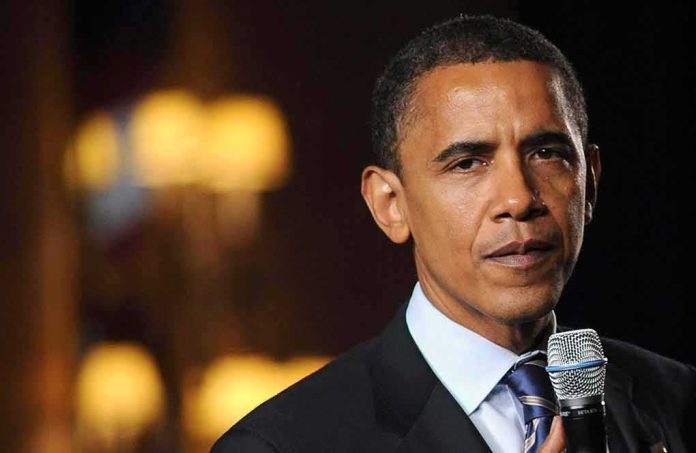
A viral headline claiming Barack Obama made a “disgusting” choice to speak for a shady event organizer is racing online—but the underlying event appears to be missing.
Quick Take
- Searches across major news and archives found no credible report matching the specific claim about Obama speaking at an event run by a man with a “troubling past.”
- The story’s traction looks driven more by social media amplification than verifiable details like a date, venue, organizer name, or program listing.
- Verified, recent Obama coverage instead centers on his criticism of Trump-era policies, not backlash over an event booking.
- The episode shows how “outrage-first” politics can keep Americans arguing while trust in institutions keeps eroding.
What can (and can’t) be confirmed about the claim
Web searches and cross-checks described in the research report found no reliable, traceable evidence for the specific premise: that Obama was “slammed” for agreeing to speak at an event organized by a man with a “troubling past,” framed by some as “disgusting.” The core problem is basic verification. No widely sourced article surfaced with identifying information—no confirmed organizer, no event details, no announcement, and no mainstream coverage that matches the headline’s wording or storyline.
That absence matters because real controversies leave footprints: press releases, event pages, ticketing listings, donor invitations, local coverage, photo/video, or at least consistent reporting across outlets. Here, the research notes that extensive searches returned “zero direct matches” to the alleged story. In practical terms, that means readers are being asked to accept a severe charge without the minimum facts needed to evaluate it. In an era of AI-generated content and clipped videos, that’s a red flag.
Why the narrative is spreading anyway
Social platforms reward emotionally loaded framing—words like “slammed” and “disgusting” are designed to trigger fast reactions, not careful reading. In the provided social media research, multiple X posts repeat the same headline and link framing, suggesting a coordinated amplification pattern around a single narrative rather than independent reporting. The repetition doesn’t prove the claim; it simply shows distribution. Conservatives who feel media double standards are real may find the storyline plausible, which can further accelerate sharing.
At the same time, liberals who distrust conservative outlets often dismiss such stories outright, even when legitimate scrutiny would be warranted. That dynamic—one side primed to believe, the other side primed to ignore—helps “non-stories” linger. It also feeds the broader, increasingly bipartisan sense that politics has become a performance industry where clicks, donors, and influence matter more than verifiable truth. The research report explicitly warns this may be a misremembered story, satire, or an unverified social media claim.
What verified Obama coverage actually focuses on
When the research pivots to confirmable Obama-related content, it finds a different theme: post-presidency commentary and media appearances focused on criticizing the Trump administration’s actions and rhetoric. In other words, the accessible, verifiable material is about Obama as a political messenger—especially around institutions like the Justice Department and high-profile partisan disputes—not about him being under fire for a specific speaking engagement arranged by a questionable organizer.
This contrast is important for readers trying to sort signal from noise. If a claim says “Obama did X” and it’s truly significant, it should be easy to locate basic corroboration from multiple angles: local reporting where the event happened, a schedule, a venue statement, or at least consistent details across coverage. Instead, the only concrete materials readily available in the research bundle point to general political sparring—Obama versus Trump, and commentary about that feud—rather than documentation of the alleged “disgusting” booking decision.
How to assess these stories without becoming a pawn
Americans across the spectrum feel the federal government is failing them—on affordability, border security, energy prices, and corruption. That frustration is real, and it makes “scandal” stories feel like they fit a pattern: elites protect elites, while everyday citizens pay the price. But the discipline conservatives have long argued for—personal responsibility and respect for truth—also applies to information. Before treating a viral headline as fact, demand the specifics: who organized the event, what is the documented “troubling past,” and where is the evidence Obama agreed to appear.
Obama Slammed for ‘Disgusting’ Decision to Speak at Event Organized by Man with Troubling Past
READ: https://t.co/UO5Hl3Gpuf pic.twitter.com/xoMVWvcjir
— The Gateway Pundit (@gatewaypundit) May 9, 2026
Until those specifics exist in verifiable reporting, the most responsible conclusion is limited: the research did not find credible confirmation of the claimed event, and the online outrage appears to be running ahead of the facts. That doesn’t prove Obama never made a questionable decision; it simply means this particular claim, as circulated, fails basic scrutiny. In a political climate where both parties accuse a “deep state” and elite networks of manipulating the public, insisting on proof is one of the few protections citizens still control.
Sources:
Trump Goes on ‘Unhinged’ War Rant to a Group of Young Kids
Obama slams Trump administration’s use of the Justice Department