
Senators from both parties formally tied Roblox to real-world crimes against children and moved to make it easier for families to sue the platform.
Story Snapshot
- A Senate panel held a hearing focused on child grooming and exploitation risks on Roblox and other online games.
- Senators Josh Hawley and Dick Durbin cited arrests linked to abuse, kidnapping, and even murder involving contacts made on Roblox.
- New legislation would lower hurdles for lawsuits against Roblox and similar platforms over child safety failures.
- Advocates urged stronger design rules, age checks, and clearer duties that go beyond user-content immunity under Section 230.
Senate Hearing Centers On Grooming And Real-World Harm
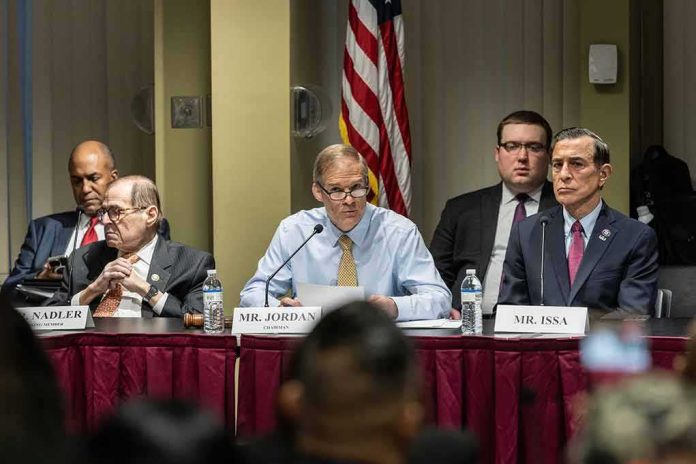
Senators examined how online gaming platforms expose minors to grooming, extortion, and sexual abuse. The Senate Judiciary panel titled its hearing “Roblox and Online Gaming: Digital Playgrounds Endangering America’s Children,” underscoring a focus on contact risks that move offline. Witnesses included survivor advocates and legal experts. Lawmakers framed the issue as urgent because bad actors use chat, anonymity, and invites to gain trust, then push for private contact or in-person meetings.
Committee leaders pointed to law enforcement arrests and court filings involving predators who found victims on Roblox. In an investigative letter, Senator Josh Hawley and Senator Dick Durbin detailed cases tied to grooming, sexual abuse, kidnapping, rape, and murder, and pressed the company for data on exploitation reports from recent years. The panel’s message was blunt: platform features and moderation gaps can speed up contact and harm, especially when adults can reach children at scale and in real time.
Bipartisan Push For Legal Leverage Against Platforms
Senators advanced bills that would make it easier for families to bring civil claims when minors are harmed after contact on Roblox. Reporting shows the package is designed to reduce procedural barriers and clarify that claims targeting design choices are not shielded by standard user-content defenses. The effort mirrors recent cases allowing claims that focus on platform design and representations to proceed, separate from pure content hosting immunity. Supporters argue families need a clear path to accountability.
The legal push lands amid active litigation that alleges predators used Roblox to target children. Roblox has sought to steer some disputes into private arbitration, a move that critics say limits transparency and public pressure for change. Lawmakers say court access matters because it can force discovery on internal safety systems and incentives. They argue that strong court scrutiny will reveal whether business metrics outrank child protection when product decisions are made.
Design, Defaults, And Age Assurance Take Center Stage
Advocates urged Congress to set ground rules on product design that reduce foreseeable child risk. They called for stronger age checks, safer chat defaults, and friction that blocks adult-to-minor contact unless a parent approves. They cited federal actions in gaming that penalized unsafe default voice chat and dark patterns, signaling a trend: regulators and courts weigh how features and settings drive risk, not just what users post or say in a single message.
1/15 Hawley: This is a hearing today which is entitled Roblox and Online Gaming, Digital Playgrounds Endangering America's Children. This is a hearing of the Senate Judiciary Committee's Subcommittee on Crime and Counterterrorism, which I'm delighted to work on with my colleague,… pic.twitter.com/2ziJokfDXl
— corgo (@wordsdematthew) November 17, 2026
Roblox points to age checks, filtered chat, and around-the-clock moderation, and says it partners with law enforcement on urgent threats. Company materials describe tighter adult-minor chat limits and parental controls. The Senate inquiry, however, asks for hard numbers on exploitation reports and for proof that new guardrails work at scale. The hearing highlights a shared public concern: families want innovation and play, but they also want platforms that do not leave children alone with predators.
What This Means For Families And Policy
Parents should expect clearer tools and stricter defaults as pressure grows. If Congress narrows legal shields for design harms, companies may face higher costs for risky features and stronger incentives to verify age, gate communication, and flag suspicious behavior faster. The panel’s work fits a wider shift in child-safety law, placing duty on companies to design for safety first. That demand reflects a basic value most Americans share: children’s safety should come before clicks or profits.
Sources:
youtube.com, cbsnews.com, sfchronicle.com, judiciary.senate.gov, washingtonexaminer.com, congress.gov, hawley.senate.gov, abc17news.com, kttn.com, about.roblox.com