
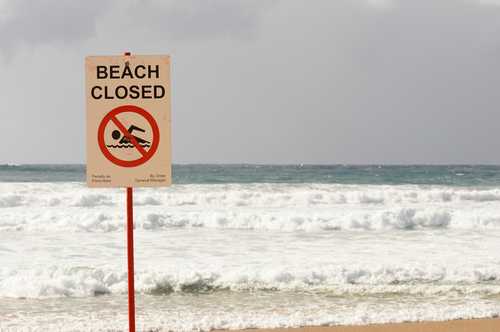
A new warning claims British beach holidays could soon mean facing great white sharks, deadly jellyfish, toxic blooms, and raw sewage in the surf.
Story Snapshot
- A weather expert says marine heatwaves could push great white sharks and dangerous jellyfish toward UK coasts in summer 2026.
- Shark trackers report Mediterranean great whites are likely moving north toward seal-rich waters off France and Cornwall.
- Scientists agree UK seas are warm enough for great whites, but say there is still no confirmed sighting in British waters.
- Media hype over beach dangers reflects wider public anger that leaders ignore basic safety and infrastructure while oceans change.
Heatwaves, Changing Seas, and a New Beach Warning
A recent report from a weather expert warns that UK beaches could become more dangerous as marine heatwaves intensify, bringing great white sharks, deadly jellyfish, poisonous algal blooms, and sewage closer to shore. Warmer summer sea temperatures create friendlier conditions for species that once stayed farther south. These warnings tap into a broader fear many people share: that big changes are happening in nature while government fails to keep up or protect ordinary families.
The expert’s warning follows several studies and tracking projects that show great white sharks expanding their range in other parts of the world as oceans warm. In the Northeast Pacific, scientists link white shark range shifts to marine heatwaves, which change where prey like seals and fish gather. When prey moves, top predators follow. The concern now is that similar patterns in European waters could nudge powerful marine species toward British beaches just as more families head to the coast each summer.
What Shark Scientists Actually Say About UK Waters
Shark tracking group Ocearch, based in Utah, monitors hundreds of tagged marine animals worldwide and has pointed to Ireland and Cornwall as possible summer hotspots for great whites. Its founder, Chris Fischer, has said Mediterranean white sharks “should be moving north to feed on seals,” passing Brest in Brittany and then Cornwall. That idea makes sense on paper: British waters are cool but within the temperature range great whites can handle, and the region has plenty of seals these predators like to eat.
Marine scientists, however, stress a key point that is often lost in scary headlines: there is still no proven great white shark living in British waters. The Shark Trust told The Independent that, despite yearly reports from boat crews and fishers, “there has never been a known – and proven – sighting around the British coast.” Discover Wildlife reports the same, noting that while a few credible reports exist since the 1960s, none has delivered firm photographic or physical proof. One detailed review in 2019 summed it up plainly: UK great whites are “possible, but unproven.”
From Speculation to Public Fear — and Why It Resonates
The gap between “could happen” and “is happening” is where media and public worry now collide. Tabloids and television often frame range-shift theories as looming invasions, using words like “terrifying” and “bone-chilling” to describe sharks that might appear but have not yet been seen. These stories travel fast online and match a wider mood. Many people on both the right and the left already feel basic safety and infrastructure are being neglected, from sewage overflows to weak policing. When they read that no one is really in charge of what enters the sea, it fits a pattern they know too well.
Scientists pushing back on shark hype say UK seas may suit great whites at times, but repeat that there is still no confirmed great white and no record of a fatal shark attack in British waters. That calm message often loses out to dramatic warnings. Yet the real, proven risks at many beaches are simpler and more familiar: raw sewage discharged after storms, toxic algal blooms fed by runoff, and jellyfish swarms that sting swimmers and strain local health services. Those dangers reflect policy failures and aging infrastructure more than nature suddenly turning against people.
Real Beach Hazards: Jellyfish, Toxic Blooms, and Sewage
While great white sharks grab headlines, experts say jellyfish and pollution are more immediate threats for UK beachgoers. Deadly or highly painful jellyfish species can ride changing currents and warmer waters into new areas, surprising swimmers who expect only mild stings. Poisonous algal blooms, often fueled by warm, still water and nutrient runoff, can kill fish, sicken pets, and force beach closures. Sewage spills after heavy rain add bacteria and waste to the mix, turning what should be a safe family day out into a serious health risk.
These problems are not mystery forces. They are the result of choices over years: how storm drains are built, how farms and cities handle waste, and how regulators enforce rules on water companies. Many citizens see them as proof that elites talk about climate and “green goals” but fail at basic stewardship. People across the political spectrum may disagree on energy policy or immigration, yet they share one expectation: the ocean by their local beach should not be a toilet or a toxic stew. When that simple standard is missed, trust erodes further.
Balancing Excitement, Caution, and Accountability
Scientists do not rule out that great white sharks sometimes pass through British waters. Some say a roaming individual from the Mediterranean could be here now and simply has not been recorded. They also note that global shark sightings are rising in some regions as predators follow food into areas where more people now swim and surf. The risk at any single UK beach remains very low, but the mix of warming seas, shifting wildlife, and crowded coastlines calls for honest, steady information, not just fear or dismissal.
For families planning trips in summer 2026, the practical message is simple. Beach visits are still generally safe, but they are not risk-free. Local warnings about jellyfish, pollution, and strong currents deserve attention. At the same time, voters frustrated with “the deep state” and out-of-touch leaders have one more reason to press for better monitoring, cleaner water, and transparent science. The ocean is changing in ways that matter. The real danger is not just what swims offshore, but a system that shrugs until after something goes wrong.
Sources:
mirror.co.uk, bbc.com, plymouth.ac.uk, dailymail.co.uk, mensjournal.com, patriotchampion.com