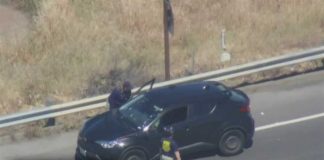
A van breached the White House perimeter in the predawn hours, forcing law enforcement to confront a recurring nightmare: the vulnerability of America’s most protected address to vehicle-based intrusions.
Quick Take
- Van crashed through security barricade at Connecticut Avenue and H Street NW on March 10, 2026, at approximately 6:37 a.m.
- Driver detained immediately by United States Secret Service with assistance from Metropolitan Police Department; no injuries reported.
- Multi-layered defensive barriers prevented vehicle from reaching White House structures, demonstrating post-9/11 security protocols in action.
- Incident mirrors October 2025 breach at 17th and E Streets, revealing a troubling pattern of persistent perimeter challenges despite sophisticated defenses.
The Breach and Immediate Response
At 6:37 a.m. on March 10, a van crashed directly through a security barricade near the White House’s northwest perimeter. The United States Secret Service immediately secured the area while the Metropolitan Police Department provided ground support. Within minutes, the driver was detained and the vehicle was assessed for explosives or weapons. All-clear status was issued, and no injuries were reported throughout the incident.
A Pattern Emerges in Presidential Security
This March 2026 incident follows a strikingly similar event from October 22, 2025, when another driver crashed into the Secret Service vehicle gate at 17th and E Streets. That suspect was also immediately arrested, the vehicle checked for explosives, and an all-clear issued while President Trump remained in residence but safely distant from the breach site. The recurring nature of these incidents suggests systematic vulnerabilities persist despite advanced perimeter infrastructure.
Layered Defenses Prove Their Worth
White House security architecture evolved significantly after 9/11, incorporating bollards, vehicle gates, and multi-layered barriers specifically designed to prevent ramming attacks. The March 10 incident demonstrated these systems functioning as intended: the initial barricade was breached, but secondary defensive structures prevented deeper penetration toward the residence itself. This tiered approach contained the threat before it reached critical infrastructure or personnel.
Unanswered Questions and Ongoing Investigation
The driver’s identity, motive, and intent remain undisclosed as investigation continues through standard protocol. No explosives or weapons were discovered in the vehicle. Law enforcement has released no details suggesting the breach was part of a coordinated attack or represented anything beyond a singular incident. The absence of motive disclosure leaves critical context unavailable to the public.
Breaking: Car Crashes Into Barricade at White House, Driver Detainedhttps://t.co/yo0g19azRY
— RedState (@RedState) March 11, 2026
These recurring breaches expose uncomfortable truths about protecting fixed, high-profile locations against determined adversaries. While defenses successfully prevented catastrophic outcomes, the fact that vehicles continue reaching barriers near the nation’s most secured address raises legitimate questions about perimeter vulnerability assessment and whether current countermeasures adequately address evolving threat vectors.
Sources
Vehicle crashes near White House, Secret Service investigating
Fox News video coverage of White House barricade incident