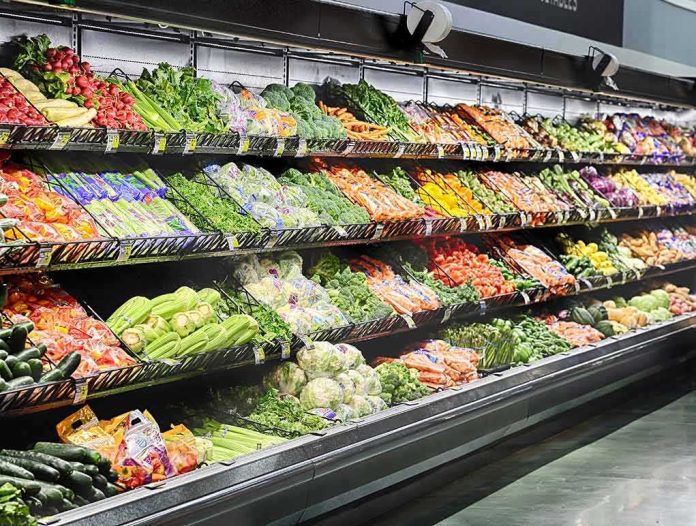
Federal officials linked a five-state Cyclospora outbreak to iceberg lettuce and issued a highest-risk recall while separate Salmonella and berry recalls hit stores the same summer.
Story Snapshot
- FDA tied a Cyclospora outbreak to iceberg lettuce and announced a Class I recall.
- Distribution reached 27 states, with exposure reported across parts of the Midwest and Appalachia.
- FDA and CDC addressed a separate Salmonella outbreak tied to jalapeños in prepared foods.
- Frozen berries were also recalled, adding to a summer wave of produce alerts.
What Regulators Confirmed About the Lettuce Outbreak
Food and Drug Administration (FDA) investigators identified iceberg lettuce from central Mexico as the likely source of a Cyclospora outbreak across five states in July 2026. Taylor Farms de Mexico began a voluntary recall on July 17 after traceback linked products to illnesses, and the FDA later classified the recall as Class I, its highest risk level. The agency said recall audit checks showed the affected lettuce was off the market and past its best-by dates, limiting ongoing exposure.
News reports at the time said the recalled lettuce moved through distribution in 27 states and was served at Taco Bell locations in Indiana, Kentucky, Michigan, Ohio, and West Virginia. The scale of distribution shows why regulators escalate when fresh produce is implicated. The Centers for Disease Control and Prevention (CDC) often supports these investigations by linking patient interviews to purchase records. FDA rules allow swift recalls when evidence points to risk, even before a product tests positive.
The Separate Jalapeño Salmonella Investigation
In August, FDA opened another investigation, this time into Salmonella tied to fresh jalapeños used in store-made salsas, pico de gallo, guacamole, and prepared foods. Whole Foods recalled multiple items that contained jalapeños sourced from Coast Citrus Distributors, reflecting a broad supply chain footprint. The CDC urged people not to eat recalled jalapeños or foods made with them, a clear sign that the response had moved beyond a single retailer or city.
These jalapeño-linked recalls followed a familiar path: identify the ingredient, map where it went, and pull it fast. Prepared foods spread risk quickly because one input reaches many menu items. That is why warnings often name both the raw item and the mixed products it touches. As with the lettuce case, the goal is to break exposure chains in days, not weeks, by coordinating distributors, grocers, and restaurants.
Frozen Berries Join a Busy Recall Season
During the same period, major outlets reported frozen berry recalls in several states. These stories listed blueberries and mixed berry items sold at Publix and other retailers, with FDA classification rising to Class I for certain lots. While details on lot codes and lab chains were thinner than in the lettuce files, the timing added to a summer in which multiple produce categories faced removal from shelves. Each recall followed the same public-health playbook.
A surge in foodborne illnesses, a recent major recall on imported beef and plans by the Trump administration to bring “discounted” foreign meat to the U.S. have caused a wave of anxiety among consumers worried about food safety and accessibility.
Here's what you need to know:… pic.twitter.com/jBUk70lDq8— Forbes (@Forbes) August 31, 2026
This cluster fits a known pattern in food safety. Outbreak and recall activity tends to come in bursts, and counts swing year to year as both real contamination and better detection drive actions. FDA’s framework triggers recalls when there is reason to believe a product can make people sick, based on epidemiology and traceback, not only on lab-confirmed product tests. Analysts also note that 2025 saw more recalls than 2024, with pathogens a major driver, showing a system that is active rather than asleep.
Why This Matters for Families and for Trust
Consumers face a simple question: why do recalls keep popping up? Fresh produce travels far, often crosses borders, and is eaten raw. One weak link can spread risk widely. The state confirms that FDA and CDC moved to pull risky items and warn the public in each case. That is the system working. But many readers on the left and right worry about a government that reacts after food reaches kitchens. The summer wave will not ease those fears.
How to Lower Your Risk Right Now
Shoppers can take a few steady steps. Check brand and date alerts from FDA and CDC before buying or eating recalled produce. Rinse fresh items under running water and scrub firm produce. Keep raw items separate from ready-to-eat foods. When in doubt about a recalled lot, throw it out or return it. Stores will refund. These habits do not fix upstream problems, but they cut household risk while investigators track sources and close gaps.
Sources:
theatlantic.com, fda.gov, cnn.com, theguardian.com, naplesconciergehealth.com, usatoday.com, nypost.com, goodmorningamerica.com, newsweek.com, poynter.org