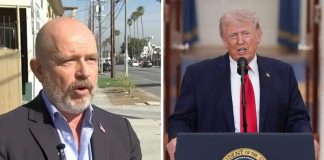
Steve Bannon’s contempt conviction faces dismissal after the Supreme Court cleared the path, raising questions about justice served or politics triumphant in America’s highest court.
Story Snapshot
- Supreme Court on April 6, 2026, overturns appeals court ruling upholding Bannon’s 2022 contempt conviction.
- Trump administration prompts action, allowing judge to dismiss case “in the interests of justice.”
- Bannon served four-month sentence; dismissal symbolic but politically charged.
- Roots in January 6 Committee subpoena defiance amid partisan battles.
- Signals shift in DOJ stance post-Trump’s 2024 return to power.
Supreme Court Order Vacates Appeals Ruling
The U.S. Supreme Court issued an unsigned order on April 6, 2026, vacating the D.C. Circuit’s May 2024 affirmation of Steve Bannon’s conviction. This remand directs the trial judge to evaluate the Trump administration’s motion to dismiss Bannon’s indictment and conviction. Bannon defied a House January 6 Committee subpoena issued September 23, 2021, demanding documents and testimony on 2020 election events and the Capitol attack. The committee sought details on his “stop the steal” involvement and pre-January 6 Trump communications. Defiance triggered contempt proceedings.
Bannon failed to produce documents or appear for depositions in October 2021. The committee voted unanimously on October 19 to hold him in contempt. The full House approved the resolution 229-202 on October 21, largely along party lines. DOJ indicted him November 12 on two criminal contempt counts. A jury convicted him July 22, 2022. Judge sentenced Bannon October 21 to four months prison and $6,500 fine, stayed for appeal.
Legal Timeline Spans Years of Appeals
Bannon appealed to the D.C. Circuit November 7, 2022. That court affirmed the conviction May 10, 2024, in a 2-1 decision highlighting partisan divides. Supreme Court denied release pending appeal June 28, 2024; Bannon reported to prison July 1, serving until late 2024. Post-2024 election, Trump’s return shifted DOJ policy. The administration now requests dismissal, arguing interests of justice after completed sentence. This contrasts prior Biden-era pursuit.
Criminal contempt stems from an 1857 statute certifying willful subpoena noncompliance to executives for prosecution. Supreme Court long affirmed Congress’s investigative power vital for legislation. Use remained rare; pre-Bannon’s case, last indictment targeted a Reagan official three decades prior. Bannon claimed executive privilege and subpoena invalidity, views shared by Trump allies decrying overreach.
Stakeholders Drive Partisan Power Shifts
Steve Bannon, Trump ally and ex-White House strategist, anchors the case. Trump administration prodded Supreme Court, protecting allies. House committee, led by Bennie Thompson with Liz Cheney, pursued accountability. DOJ flipped from prosecution to dismissal. Courts navigated: D.C. District convicted, Circuit affirmed, Supreme Court reversed. Trump’s 2024 victory empowered this pivot, underscoring executive influence over prosecutions.
Democrats framed subpoena as January 6 accountability; Republicans as witch hunt. Common sense aligns with conservative view: partisan committee wielded subpoenas politically, ignoring privilege claims. Facts support dismissal post-sentence—punishment served, further pursuit reeks of vengeance, not justice. Parallel order for ex-Cincinnati Councilman P.G. hints broader pattern. Bannon’s separate New York fraud plea persists unaffected.
Implications Reshape Contempt Enforcement
Short-term, judge likely dismisses, vindicating Bannon symbolically. Long-term, decision weakens congressional subpoena power, deterring partisan probes. Trump allies celebrate win; January 6 investigators suffer setback. Politically, amplifies reversals; socially, deepens divides on Capitol events. Rare contempt use may decline, preserving balance against legislative overreach grounded in American conservative principles of limited government.
Sources:
Steve Bannon wins Supreme Court order likely to lead to dismissal of contempt of Congress conviction
Bye Bye Bannon: An Explanation of the Steve Bannon Contempt of Congress Trial
Bannon Contempt of Congress Indictment