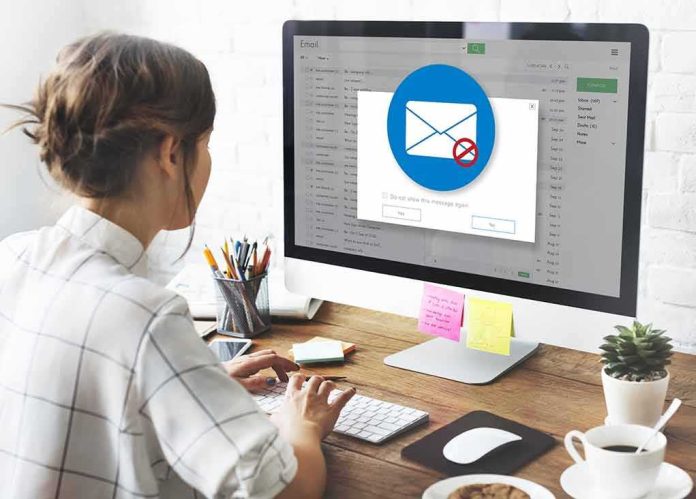
Google will let verified political committees route fundraising emails to Gmail inboxes, putting more pressure on your attention at the peak of campaign season.
Story Snapshot
- Google launched a Verified Sender Program that delivers eligible political emails to inboxes, including fundraising appeals.
- Campaigns must pass verification checks and keep spam complaints under 0.3% over 14 days.
- Users can still mark messages as spam, block senders, or unsubscribe at any time.
- The Federal Election Commission earlier cleared a similar Google plan, drawing bipartisan criticism over inbox burdens.
What Google Changed And When
Google announced the Gmail Verified Sender Program for political committees with a start date of September 8, 2026. The program helps eligible, verified committees send messages to personal Gmail inboxes. That includes fundraising messages, according to major outlets that reviewed the rollout. Google positions the change as a deliverability update for lawful, non-abusive messages. The company ties enrollment to identity checks and technical standards that it says protect users and reduce fraud.
Reporting says the program lets campaigns, parties, and political action committees bypass normal spam filtering to reach inboxes more reliably. Those outlets frame the result as easier delivery of fundraising appeals to millions of users. That framing echoes a 2022 plan the Federal Election Commission reviewed, which allowed a similar exemption from standard spam sorting for political mail. The core fact is not disputed: verified political senders gain a special deliverability path into inboxes.
Rules For Campaigns And Controls For Users
Google requires senders to verify their identity and domain and to follow program policies. The company sets a spam complaint ceiling of under 0.3 percent on a rolling 14-day average. Falling above that line can trigger enforcement, which can include removal from the program. Gmail users still control their inbox. People can mark a message as spam, block a sender, or use the unsubscribe link to stop future emails from that campaign.
Policy language and third-party summaries stress that user-level actions still matter. Messages from campaigns you already sent to spam will continue to land in spam. Future mail from that same sender will keep following your signal. That guardrail helps, but only if people take the time to click and manage. During busy election weeks, many do not. That gap is why critics worry about an inbox flood even with controls in place.
Why This Sparks Bipartisan Distrust
Earlier fights over political email delivery primed this moment. In 2022, the Federal Election Commission approved a Google pilot to keep political emails out of spam, which drew fire from both sides. Republicans later sued Google over alleged bias against their fundraising emails, but a court ruled for Google in 2024. The legal outcomes did not end the debate. People on the left and right already distrust big platforms and fear hidden rules that shape what they see.
Oh, Good: Google Is Making It Easier for Political Fundraising Emails to Reach Your Inbox https://t.co/23oPYM62fK
— DLW 🔥#MAGA (@Dlw20161950) August 20, 2026
Many Americans feel elites set the rules and the public eats the cost. This change may add to that view because it shifts attention costs to users. The program depends on complaint rates and opt-outs to manage volume. That makes every household an unpaid moderator during peak politics. Google says it will act if abuse rises and points to its rules. But the record so far offers limited data on real inbox burden or how fast enforcement kicks in when complaints spike.
What To Watch Next
Watch three things. First, enrollment counts and enforcement actions will show if Google actually removes abusers or only warns them. Second, complaint rates will reveal if users feel overwhelmed by new fundraising pushes. Third, any change in how many messages land in inboxes versus spam will shape campaign strategy. Independent audits using test inboxes could help. Until then, the clearest facts are the new pathway for verified political emails and the user tools to push back.
Sources:
redstate.com, nytimes.com, support.google.com, proton.me, politico.com, nypost.com, engadget.com, businessinsider.com