
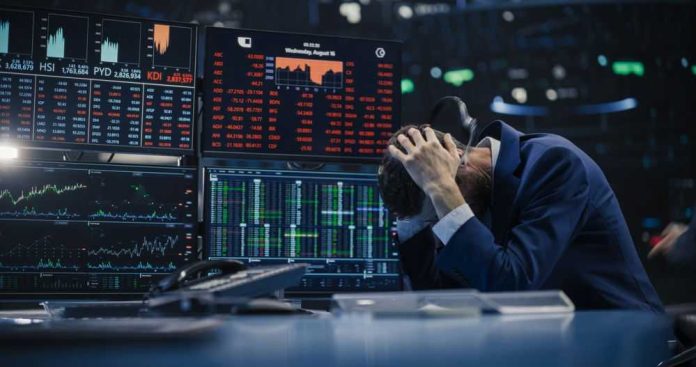
Anthropic’s record-shattering stock debut raised about $81 billion and briefly valued the AI lab near $2 trillion, before a sharp intraday slide exposed how jumpy the AI trade remains.
Story Highlights
- Anthropic priced its initial public offering at $83 and opened at $111.50, up about 34%.
- The sale raised roughly $81.3 billion, the largest stock market debut on record.
- The stock closed near $97.17, holding a first-day gain of about 17%.
- Big first-day pops can show demand but also reflect tight supply and early trading dynamics.
What happened on day one of trading
On November 19, 2026, Anthropic sold shares at $83 and began trading on the Nasdaq at $111.50, about 34% above the offer price. The opening price implied an initial market value near $2 trillion, up from about $1.5 trillion at the offering price. The company raised roughly $81.3 billion, making the deal the largest of its kind on record. Shares swung during the session and closed near $97.17, ending the day about 17% above the offer price despite the mid-day pullback.
Major outlets described strong initial demand as investors rushed to get exposure to a leading artificial intelligence developer. The gap between the offer price and the open is a common feature in big listings, where underwriters aim to ensure a smooth sale and avoid a failed debut. The scale of the deal drew extra attention. Record offerings often attract traders, funds, and index providers, all trying to secure shares early while lock-ups and allocations limit short-term supply.
Why the first-day “pop” matters—and what it does not say
Large first-day jumps often signal that buyers were willing to pay more than the offer price. They can also mean the issuer and banks set a level to reduce risk and guarantee uptake. That balance is normal in initial public offerings. It helps explain why a stock can open far above the price paid by institutions the night before. This pattern shows interest and scarcity at once. It does not, by itself, prove long-term value or steady gains ahead.
Anthropic’s path on day one fits that script. The stock opened high, then fell back, and still finished above the offer. That arc can reflect a rush of market orders at the open, a limited free float, and quick profit-taking. Some investors see this as a win: the company raised money and built a public market. Others point to the slide from the first trade to the close as a sign of nerves. Both views can be true on the same day in a market this crowded.
How this debut fits the larger AI trade
Since 2023, artificial intelligence has driven heavy spending on chips, data centers, and software. That surge has lifted a handful of giants and sparked hundreds of ambitious projects. The result is a market where many want in, but few know how profits will shake out across the stack. Research on bubbles and buildouts gives a mixed picture, with signs of both real growth and froth across key layers of the sector. That tension helps explain fast moves around headline events.
MARKET UPDATE — FRIDAY, 20 NOVEMBER 2026
Anthropic's record debut was meant to remind investors why they love AI. A day later, the market is selling almost everything: chips, software, gold, silver, emerging markets, and even Anthropic itself.
Only two things are being bought:… pic.twitter.com/Hu5WDG6UsQ
— Mansa Tesla (@MansaTesla) November 20, 2026
For regular investors, the lesson is simple. Big openings can reward speed, but they can also punish late buyers who chase the first print. First-day moves are signals, not verdicts. The more useful test will come in the next quarters: revenue growth, customer wins, cost discipline, and product edge. Watch the company’s filings and analyst notes. Track how many shares unlock and when. Those facts will tell you if day one marked a launchpad or a ceiling for the stock.
What it means for Main Street and policy watchers
A giant initial public offering does not fix daily pain from high prices, energy costs, or weak wage growth. But it shows how money flows in today’s economy. Capital finds the sectors with promise, and rules shape who benefits. Leaders in both parties talk about innovation and jobs. Voters see big wins for a few firms while core costs stay high. Clear rules, fair markets, and open competition matter if the gains from artificial intelligence are to spread beyond elites.
Sources:
youtube.com, bbc.com, techcrunch.com, cnbc.com, cnn.com, edition.cnn.com