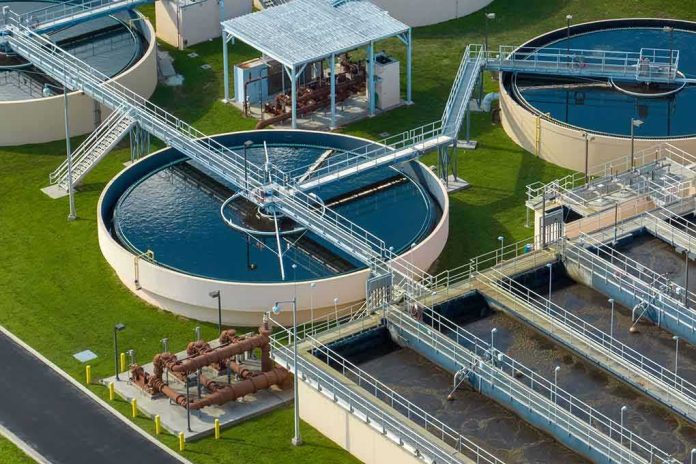
Whistleblowers say data center cooling waste laced with treatment chemicals is being dumped into sewers and rivers, reviving fears that the AI boom is fouling local water.
Story Highlights
- Cooling systems can concentrate chemicals that harm waterways if discharge is not treated.
- Reports link data center growth to heavy water use and rising wastewater volumes.
- Wyoming tightened rules after a contractor flushed contaminated water during AI buildout.
- Lawsuits targeting data centers over environmental impacts are rising worldwide.
What Whistleblowers Allege About Cooling Waste
Whistleblowers claim some AI data centers are offloading cooling tower “blowdown” into rivers and sewers without proper treatment. Cooling water picks up biocides, corrosion inhibitors, and dissolved solids as it cycles through towers. When salts and chemicals build up, operators purge blowdown to keep equipment safe. If that water bypasses treatment, it can carry harmful residues into local systems, according to water utility guidance on blowdown risks.
University and industry reports say data center growth has spiked water demand and wastewater output. The University of Chicago’s sustainability dialogue reported that data centers used hundreds of billions of gallons in 2025 for cooling and power, driving new draws from rivers and aquifers. More water in means more wastewater out. That raises stakes for pretreatment, discharge limits, and real-time monitoring to prevent chemical loads from reaching streams and sewage plants.
Documented Incidents And Policy Response
Wyoming officials said a contractor tied to a major social media company’s AI data center flushed bacteria-contaminated water into public sewers during construction. State regulators responded by tightening wastewater rules to prevent repeats and to clarify who is responsible for testing and reporting. While that incident involved bacteria rather than cooling chemicals, it shows how buildout mistakes can reach public systems and trigger rapid policy change at the state level.
Technical explainers warn that warmed discharges can also stress rivers by lowering oxygen levels, which harms fish. Such thermal releases are regulated under federal law, but oversight of chemical content in blowdown often depends on local permits and pretreatment programs. Where multiple large facilities cluster, utilities need clear numbers on discharge volumes and chemistry, plus firm pretreatment steps, to keep downstream water safe for people and wildlife.
The Legal Landscape And Growing Public Scrutiny
Researchers document a rise in lawsuits that target data centers for environmental harms, including water impacts. A recent analysis found an increasing number of climate and nuisance cases naming data centers across the United States and abroad. Many suits focus on noise, water strain, and pollution, and they press for stricter permits or mitigation rather than criminal penalties. The legal trend signals growing public pressure to align fast AI buildouts with local health standards.
Policy groups recommend practical guardrails that many readers across the political spectrum support. Suggested steps include water-use monitoring and public disclosure, drought plans, reclaimed water use, and enforceable pretreatment of blowdown. These measures aim to protect ratepayers and taxpayers from footing cleanup bills. They also seek to deter shortcuts by large firms and contractors that can leave small towns with damaged rivers and overburdened sewage plants.
What We Know, What We Do Not
Published materials confirm three points. First, cooling systems can leave wastewater with concentrated chemicals that require treatment before discharge. Second, the AI surge is expanding water use and wastewater volumes near build sites and power hubs. Third, regulators have already tightened rules after a documented contamination event in Wyoming’s buildout phase. What remains unclear is how widespread any illegal dumping of chemically tainted blowdown is, since most public cases focus on risk, not proven criminal patterns.
Too late b*tches….
It’s already law voted by the supermajority!
Florida Governor Ron DeSantis signed Senate Bill 484 into law to regulate large-scale and hyperscale AI data centers. The legislation: [1, 2, 3]
•Protects Ratepayers: Mandates that public utilities require AI…— KatRozza (@RozzaKat13) July 17, 2026
For communities weighing new projects, the path is straightforward. Demand plain-language permits that state discharge volumes, chemistry limits, and verification methods. Require continuous monitoring with alarms that reach both the plant and the local utility. Tie approvals to clear penalties for noncompliance and public reporting. These steps respect property rights and industry growth while guarding shared water, which both right and left agree the government has failed to protect without firm, transparent rules.
Sources:
fwpcoa.org, sustainabilitydialogue.uchicago.edu, waterutilityreport.com, ketos.co, facebook.com, apc.org