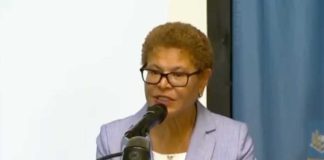
Greg Bovino didn’t vanish after Minneapolis—he got quieter, and that silence became the loudest part of the story.
Story Snapshot
- No verified statement from Bovino surfaced during the first news cycle after he was sidelined, even as his name dominated headlines.
- Two fatal shootings during Operation Metro Surge turned Minneapolis into the proving ground for a hard-edged federal strategy.
- President Trump moved Tom Homan into direct command, signaling a reset in messaging without clearly ending the mission.
- Court fights over motive and evidence, plus street protests, created pressure from both Democrats and some Republicans.
Why Everyone Wanted “The First Statement” and What the Silence Signaled
Minneapolis didn’t just sideline a commander; it exposed how fast an enforcement operation can become a communications crisis. Gregory Bovino built a national profile on aggressive immigration enforcement and tough talk, so the public expected a defiant send-off when he was removed from the Minneapolis lead role. Instead, early reporting described departure, reassignment, and even social media changes—but not a clean, verifiable personal statement. When a public figure goes missing at peak controversy, the vacuum fills itself.
That vacuum mattered because the operation wasn’t an abstract policy argument. It unfolded after a Jan. 7 fatal shooting that triggered a large federal surge into Minneapolis, and then after a second fatal shooting on Jan. 25 involving ICU nurse Alex Pretti. Those events brought grief, anger, and public distrust into the same room as armed federal authority. People don’t ask for a statement in moments like that out of curiosity; they want accountability, restraint, and clarity about rules of engagement.
Operation Metro Surge: The Mission, the Optics, and the Political Boomerang
Federal immigration enforcement in sanctuary jurisdictions often rests on a straightforward conservative premise: laws mean what they say, and a nation that can’t enforce its borders can’t stay sovereign. That principle still requires competence and discipline. Operation Metro Surge put thousands of agents into one city, amplifying every tactical decision and every public remark. When leadership leans into swagger, opponents label it intimidation; when leadership retreats, supporters fear surrender. Bovino’s style became part of the operational terrain.
Reports tied the surge to broader pressure campaigns on Democratic-led states and cities, including demands for cooperation and records. That approach can satisfy voters who feel ignored by “sanctuary” politics, but it also hands political oxygen to local officials looking for proof of retaliation. Conservative governance succeeds when it pairs firmness with clean process: lawful orders, clear chains of command, transparent standards, and disciplined public language. Minneapolis became the case study for what happens when those fundamentals wobble.
The Pretti Shooting, Disputed Claims, and the Problem With Unverified Narratives
The moment that accelerated Bovino’s fall wasn’t only the shooting itself; it was the battle over what it meant. Bovino drew condemnation after claims circulated that Pretti planned to “massacre” officers, and subsequent reporting described those claims as unsubstantiated. Conservative voters often sympathize with law enforcement under threat, and that instinct is reasonable. Still, credibility is an asset you spend once. When leaders push a narrative that can’t be promptly proven, they don’t protect officers; they expose them.
That credibility gap also lands on families. The public record described disputes over evidence access and preservation after the shooting. When government blocks transparency, it invites the worst assumptions—even from people who might otherwise support enforcement. Accountability doesn’t weaken law enforcement; it strengthens it by separating justified force from sloppy procedure. Minneapolis showed how quickly a lawful mission can lose legitimacy if leadership treats storytelling as a substitute for verified facts.
Trump’s Pivot to Tom Homan: A Reset in Command, Not Necessarily a Reset in Policy
President Trump’s decision to put Tom Homan in charge, reporting directly to the White House, read like an emergency brake on political fallout. Leaders change when the mission starts consuming the messenger. The practical message: enforcement continues, but the White House wants tighter control over tone and coordination. The political message: someone will own the outcome. When presidents pull a high-profile operator into direct oversight, they rarely do it for ceremony; they do it to stop bleeding.
The pivot also spotlighted internal power dynamics inside DHS. Critics framed it as humiliation for the agency leadership; supporters framed it as decisive management. Both can be true. Conservative common sense says chains of command must be clear, and failures must be corrected quickly. The unanswered question was whether Minneapolis represented a one-off crisis response or a template for future sanctuary-city showdowns—bigger deployments, faster escalations, and more court fights as a standard operating procedure.
Courts, Protests, and the Squeeze From Both Sides
Minneapolis became a dual-front conflict: street pressure outside hotels and legal pressure inside courtrooms. Judges demanded explanations about motives and weighed disputes involving evidence. Those proceedings matter because they determine whether federal actions look like standard enforcement or punitive politics. Conservatives should want courts to test the government’s work, because durable enforcement depends on winning on the merits, not just winning the news cycle. A mission that can’t survive judicial scrutiny will collapse under the next administration.
Political backlash didn’t come only from the left. Reporting described Republicans criticizing DHS leadership and party operatives walking back talking points tied to Bovino. That split reveals a quiet truth about immigration politics: voters want enforcement, but many recoil from chaos. Middle-aged Americans have watched too many institutions break down from performative leadership. They want order—secure borders, safe cities, lawful policing—and they don’t want federal power to look like a roaming street spectacle.
What Bovino’s Eventual Public Comments Can and Can’t Settle
If Bovino’s first public statement surfaces in a clear, verifiable form, it won’t undo what Minneapolis already established: enforcement operations live or die on trust. A strong statement would focus on facts, procedures, and respect for investigations—not bravado, not grudges, not internet bait. Conservative values don’t require rough talk to prove seriousness. They require results delivered with discipline. Minneapolis didn’t just test immigration enforcement; it tested whether leadership can stay credible under the harshest lights.
Hear Greg Bovino's First Public Statement Since Being Sidelined in Minneapolis
https://t.co/kDCTbDRU86— Townhall Updates (@TownhallUpdates) January 29, 2026
That credibility test now belongs to the people who replaced him as much as to Bovino himself. Homan’s job is to keep the mission lawful, effective, and politically survivable. The public’s job is to demand truth faster than talking points. When a commander gets sidelined after two fatal shootings and a narrative controversy, the real takeaway isn’t the quote you’re hunting for. It’s the warning: power without restraint doesn’t last, and restraint without power doesn’t protect.
Sources:
Bovino sidelined: border patrol commander under fire for handling of Minneapolis shooting
Bovino is out of Minneapolis but Trump isn’t backing down
RNC retracts promotion tied to Bovino ICE talking points memo
Greg Bovino is locked out of his official social media accounts