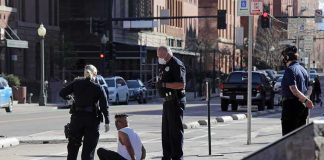
Senate Democratic Leader Chuck Schumer just ignited a political firestorm by branding Trump administration immigration officials as liars and calling ICE operations state-sanctioned thuggery, blocking critical homeland security funding while the nation teeters on the edge of a government shutdown.
Story Snapshot
- Schumer blocked DHS funding after two U.S. citizens died in federal agent shootings in Minneapolis within two weeks
- Democrats demanded independent investigations into ICE operations and refused to approve funding without accountability measures
- A last-minute bipartisan deal averted shutdown by separating DHS into a two-week extension while other agencies received full funding through September
- The confrontation escalated partisan battles over immigration enforcement heading into 2026 midterm elections
When Homeland Security Funding Becomes Blood Sport
The Senate floor became a verbal battlefield as Schumer unleashed a blistering attack on Trump administration officials overseeing immigration enforcement. His rage stemmed from two fatal shootings of American citizens by federal agents in Minneapolis. Alex Pretti died in the streets on a Saturday in late January 2026, just two weeks after Renee Good met the same fate. Schumer declared these incidents moral abominations and vowed Democrats would withhold the 60 votes needed to fund the Department of Homeland Security unless Republicans agreed to sweeping reforms and independent investigations.
The timing could not have been worse for governance. Six of twelve annual spending bills remained unsigned as the January 30 midnight deadline loomed. A shutdown would disrupt immigration enforcement, TSA operations, and air traffic control at a moment when Trump appointees like border czar Tom Homan were ramping up deportation efforts. Historical precedent showed such shutdowns cost taxpayers roughly one billion dollars per day while creating chaos for federal workers and travelers alike. Yet Schumer refused to blink, framing the funding fight as a stand against what he termed thuggery by agencies he accused of operating without accountability.
The Devil in the Dysfunction Details
Democrats demanded specific concessions before releasing their votes. They wanted twenty million dollars allocated for body cameras on federal agents conducting immigration enforcement. They insisted on independent probes into the Minneapolis shootings rather than allowing ICE to investigate itself. Schumer specifically targeted Tom Homan, referencing a press conference where the border czar defended operations after the Pretti shooting. The Democratic leader told the Congressional Record that letting those he labeled liars investigate themselves was unacceptable, though official transcripts avoided capturing any profanity attributed to him in viral social media posts.
Republicans countered that their funding package already contained the largest border security investment in history. The bill included the body camera funding Democrats claimed to want, plus pay raises for air traffic controllers and enhanced technology for cartel interdiction. Senate Republicans needed Democratic cooperation because procedural rules required 60 votes for passage despite their majority status. This dynamic forced negotiations even as both sides used the standoff for political positioning with midterm elections approaching.
The Eleventh Hour Escape Hatch
Negotiators struck a deal on January 30 that pulled the nation back from the shutdown brink. The compromise funded five agencies through September while carving out DHS for a separate two-week extension at current funding levels. This structure gave both sides breathing room to hammer out ICE oversight provisions without paralyzing the entire government. Trump endorsed the arrangement via social media, urging bipartisan support and claiming victory for keeping enforcement dollars flowing while discussions continued on reform measures Democrats demanded.
The deal revealed strategic calculations on both sides. Democrats secured a pathway to force accountability debates without shouldering blame for a full shutdown. Republicans maintained operational funding for immigration enforcement while positioning themselves as the adults willing to compromise. Yet the temporary nature of the DHS extension merely postponed the underlying conflict rather than resolving it, setting up another confrontation within weeks.
What Two Deaths in Minneapolis Really Mean
The shootings that triggered this funding crisis exposed deeper tensions about federal enforcement powers. Protesters in Minneapolis challenged ICE raids in their city, questioning whether aggressive tactics justified the risk to bystanders. Families of Renee Good and Alex Pretti demanded answers about why encounters with federal agents escalated to lethal force against American citizens rather than suspected immigration violators. These questions resonated beyond partisan politics, touching raw nerves about government accountability regardless of which party controlled enforcement agencies.
Yet the broader immigration enforcement apparatus continued operating throughout the funding drama. ICE agents conducted raids and deportations under expanded Trump administration directives even as senators debated whether to fund body cameras that might document such operations. The disconnect between high-level political theater and ground-level enforcement reality illustrated how government dysfunction rarely halts the bureaucratic machine, even when funding technically lapses. Federal workers face furloughs and paycheck uncertainty while the policies driving controversial enforcement continue regardless of congressional approval.
The Precedent That Keeps On Taking
This funding fight established a template for conditioning homeland security dollars on civil liberties protections that could reshape future appropriations battles. Democrats demonstrated willingness to block national security funding over specific enforcement tactics, inverting traditional assumptions that Republicans monopolize tough security stances. If body cameras and independent investigations become standard requirements for DHS funding, it represents a significant shift in how Congress oversees immigration enforcement regardless of which administration holds power.
The short-term political calculations seem obvious enough. Democrats want accountability narratives heading into midterms while Republicans defend their border security credentials and blame Democratic obstruction for any operational disruptions. But the longer game involves whether voters view immigration enforcement deaths as acceptable collateral damage in pursuing deportations or as disqualifying failures demanding systematic reform. These competing frames will shape not just funding bills but electoral outcomes in swing districts where security and civil liberties debates cut across traditional party lines in unpredictable ways.
Sources:
Congressional Record – January 29, 2026