Global teams rush to save lives in Venezuela as years of socialist misrule leave locals short on gear and answers.
Story Highlights
- United Nations-coordinated rescue surge brings 2,000+ specialists from dozens of nations [1].
- United States eases financial sanctions to speed relief funds and deploys rescue teams [3][11].
- Hospitals and local responders lack equipment after years of neglect, slowing rescues [4][7].
- Misinformation, looting, and broken communications worsen an already dire scene [1][10].
United Nations-Led Surge Arrives With Manpower And K-9 Teams
United Nations officials reported more than 2,000 rescue workers from 27 countries on the ground, with 44 urban search and rescue teams, over two thousand specialists, and 140 search dogs. These teams are fanning out across Caracas, La Guaira, and other hard-hit zones. Their top goal is to find trapped survivors while heavy aftershocks and unstable buildings raise risk. This is the backbone operation many families begged for after the twin quakes struck back-to-back [1].
United States support is now flowing. Washington lifted financial sanctions so aid money can move faster, and the first American plane landed with dozens of service members on board. Secretary of State Marco Rubio confirmed 250 personnel and elite rescue teams from Fairfax County and Los Angeles heading in to cut concrete, shore walls, and run K-9 sweeps. This is what American know-how looks like when time is short and lives are at stake [3][11][13].
Reality On The Ground: Shortages, Chaos, And A Narrow Rescue Window
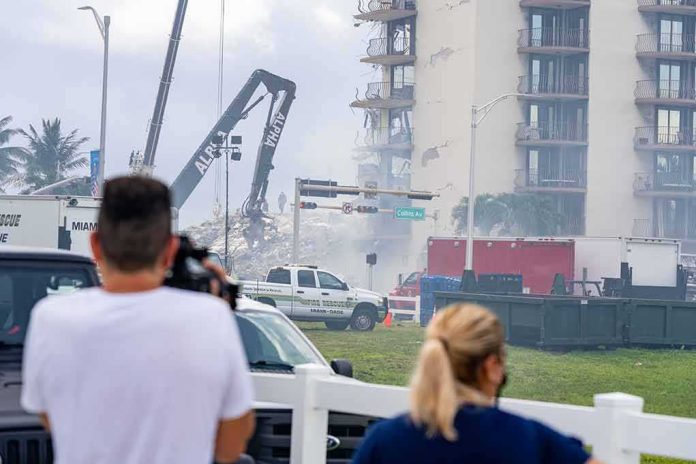
Reporters on scene describe local first responders short on basic gear. Volunteers say they are using their hands where excavators should be. Hospitals moved patients outside after evacuations and are stretched thin on supplies and power. That puts more pressure on foreign teams to lead the heavy rescue work. Every hour matters. Doctors warn that the survival window closes fast after day three, making organized logistics and clear lines of command essential [4][7].
Right after the second major quake, cell networks went dark. That breakdown wrecked coordination and made it hard to count the missing. Access to La Guaira, one of the worst-hit areas, has been tough due to debris, damaged roads, and limited fuel. Aid groups report scattered looting in some neighborhoods, which pulled soldiers toward security posts instead of rescue duty. That choice left more rubble piles without trained hands to dig [1][10][11].
Politics, Propaganda, And The Need For Verified Numbers
State media announced a national emergency and a two hundred million dollar rebuilding fund. Outside observers and many locals question whether that money will reach hospitals, housing, and hardened infrastructure. International monitors recommend a full audit of pledges, deliveries, and spending. That level of accountability protects donors and victims alike, and it beats the vague claims and spin that follow many disasters in closed or corrupt systems [2].
Mainstream outlets frame the response as a “collapsed system.” Some of that judgment is shaped by the visible failures: weak building standards, thin gear, and poor comms. But raw blame does not pull people from rubble. Verified facts, clear tasking, and steady logistics do. Calls are growing for a shared missing persons registry and for public release of every international team’s daily rescue logs. Families deserve truth, not rumor, about who is found and where [1][10].
What Worked, What Must Improve, And America’s Role
The fast United Nations mobilization and the green light for funds movement helped. The American decision to send specialized teams matters on site, where saw blades and shoring kits save minutes. One infant rescue in La Guaira showed what skill and timing can do. But the larger map tells a harder story: too many buildings fell due to years of bad oversight, and too many local units lacked the tools to respond at scale. That gap cost time and lives [13].
These tyrants know only one thing: oppression. After destroying Venezuela and driving millions into exile, Diosdado Cabello is now blocking international rescue teams from saving lives after this devastating earthquake.
It wasn’t enough that this criminal regime has stolen a… https://t.co/nTVh1lQzCT
— María Elvira Salazar 🇺🇸 (@MaElviraSalazar) June 29, 2026
Next steps should focus on three tracks. First, keep rescue pressure high until every feasible site is cleared. Second, publish audited tallies of aid, spending, and survivor data to cut through noise. Third, push for outside engineering reviews of building failures and require quake-safe standards before any rebuild. This is common sense. Strong walls, honest books, and open data save lives. America is helping lead now; results must follow on the ground, not just on paper.
Sources:
[1] YouTube – Venezuela races to rescue hundreds trapped after major twin quakes
[2] Web – Venezuela earthquakes: International rescue teams join the search for …
[3] Web – Rescuers ‘pulling people out with their bare hands’ as earthquakes …
[4] YouTube – ITV News – Latest on the rescue efforts in Venezuela
[7] Web – Venezuela Mobilizes International Rescue Effort After Major Earthquake
[10] Web – Venezuela quake toll tops 900, search intensifies for hundreds trapped
[11] Web – Venezuelans are not only dealing with the aftermath of a once … – …
[13] Web – Neighbors dig through Venezuela rubble to search for loved ones as …