Washington’s new “toughest ever” Iran sanctions are set to collide with Tehran’s tanker blacklists in the Strait of Hormuz, raising the risk to global energy and everyday prices at home.
Story Snapshot
- Treasury promises the “toughest” sanctions yet, aimed at Iran’s oil cash networks.
- Iran blacklists 45 tankers and threatens fines, detention, and cargo seizures.
- Officials frame sanctions as a non-military path to pressure Iran.
- Experts warn sanctions often bite economies but deliver mixed strategic results.
What Washington Announced And Why It Matters
Treasury Secretary Scott Bessent said the United States will roll out “the toughest sanctions in history” on Iran. He urged other nations to cooperate and argued these steps can limit the need for new military action. The State Department said the push targets networks that move “hundreds of millions of dollars” for Iran, especially through oil sales and shipping tricks. The plan builds on existing rules that already target Iran’s petroleum trade and maritime supply chain.
The Department of the Treasury has long argued that Iran uses a hidden web of ships, brokers, and front firms to sell oil and fund destabilizing activities. The new measures aim to cut those routes and raise the cost of evasion. Officials frame this as pressure with precision, not broad punishment. Still, key details on exemptions and licenses matter for food and medicine trade, and those elements were not fully public at the time of the remarks.
How Tehran Is Pushing Back At Sea
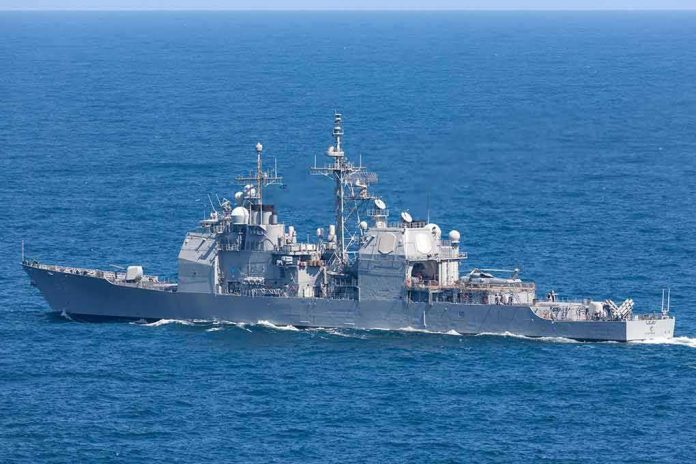
Iran moved to blacklist 45 tankers that it says broke its rules for crossing the Strait of Hormuz. Iranian officials warned they could fine, detain, or seize cargo from vessels linked to that list. Such steps threaten the flow of crude through one of the world’s most important sea lanes. The move also signals Iran’s leverage at a chokepoint that carries a large share of global oil, which can raise shipping insurance costs and ripple into fuel prices.
Iran’s foreign ministry also blasted the planned United States steps as unlawful “economic warfare” and an overreach of United States power beyond its borders. Tehran says secondary sanctions violate the United Nations Charter’s idea of equal sovereignty and threaten other nations that do business with Iran. Iran’s rhetoric is sharp and political, but it shows how both sides are framing the same tools as either necessary pressure or illegal coercion. These claims will test partners caught in the middle.
The Track Record And The Stakes For Americans
Research on past Iran sanctions shows a pattern. Sanctions can cut oil exports, hurt the currency, and squeeze state budgets. But they often fall short of forcing the exact policy change the United States wants, especially when Iran adapts and finds new channels. That mixed record suggests results may take time and may not be clear. Policymakers now sell sanctions as the way to avoid war, but the public should expect a long grind, not a quick fix.
9 AM Top-of-the-Hour News
Treasury Secretary Scott Bessent will lay out details today of major new sanctions against Iran. Worldwide News Network’s Stacy Lyn reports from Washington.: “The Trump administration is preparing what Treasury Secretary Scott Beset calls an economic… pic.twitter.com/2BqjelSBLn
— Worldwide News Network (@WorldwideNNX) August 24, 2026
For families here at home, the concern is simple. Trouble in the strait can push up energy costs. Higher fuel prices raise shipping and grocery bills. People on the right and left already feel that Washington talks tough but struggles to deliver stable prices and clear wins. If sanctions bite but oil spikes, many will see another elite plan with ordinary people paying the tab. The challenge is to hit bad actors without lighting a fire under global supply lines.
What To Watch Next
First, watch the official sanctions package. The fine print on who is targeted, which ships or firms get named, and what humanitarian carve-outs exist will show how focused the plan is. Second, watch vessel traffic data and insurance rates in and around the Strait of Hormuz. If traffic stalls or costs jump, prices at the pump may follow. Third, watch China and other major buyers. If they resist, enforcement gets harder and sanctions lose punch.
Why This Feels Like More Of The Same
Americans are tired of big promises and vague payoffs. Many believe powerful insiders profit while regular people get higher bills and more risk. This story hits that nerve. The government says these are smart, targeted steps. Iran says they are illegal bullying. The truth will show up in concrete results: safer lanes, lower cash for violent groups, and steady prices. Clear metrics and public reporting can help rebuild trust that policy serves the people, not the elite.
Sources:
aljazeera.com, state.gov, home.treasury.gov, oilprice.com, ilam.iqna.ir, iranintl.com, tehrantimes.com, consilium.europa.eu