Iran’s rulers put thousands of motorcycle patrols and checkpoints on city streets as signs of new unrest grow.
Story Highlights
- Motorcycle units and checkpoints expanded across Tehran and other cities to deter protests.
- Reports describe police, Basij militia, and special units positioned at fuel stations and key routes.
- Analysts say Iran uses visible force and layered control to stop crowds from forming.
- Large-scale mobilizations and exercises signal a show of strength in the capital.
What Iranian Authorities Deployed and Where
Fox News Digital reported that Iranian security forces increased their presence across Tehran and other cities. Motorcycle patrols, checkpoints, and units were visible in major areas as officials prepared for possible unrest. Iran International described deployments of police, special units, and the Basij militia in Tehran, Mashhad, Shiraz, Karaj, Isfahan, Tabriz, and more. Residents reported more patrols starting Monday night, including near fuel stations and crowded streets. These moves match earlier waves of street control that aimed to prevent gatherings.
Rudaw reported that the Islamic Revolutionary Guard Corps planned to mobilize 40,000 motorcyclists in Tehran as part of a larger “Janfada-ye Iran” campaign. That exercise highlighted the scale of forces the state can move into the capital on short notice. Such mass motorcycle formations help authorities cover more ground, respond faster, and flash a constant warning to would-be protesters. The timing suggests leaders want to show strength in public spaces before protests can spread.
Why Visible Patrols Matter in Iran’s Security Playbook
Reuters has described Iran’s internal security system as layered and built to deter action before it starts. The network blends the Revolutionary Guard, the Basij militia, regular police, and local checkpoints. Its power comes from omnipresence and intelligence gathering as much as force. This approach sends a simple message: the state sees you, and it can move quickly. That signal can scare people from joining crowds, sharing videos, or chanting in public squares.
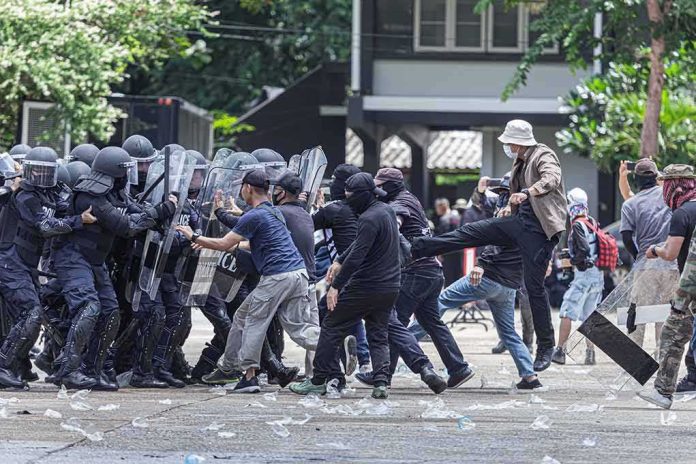
Human rights reporting and past protest coverage detail how the Basij and allied units use motorbikes to flood streets and break up groups. Manuals and past orders point to patrols of many bikes per unit to hold key intersections and stop slogans from appearing on walls. During tense times, authorities also raise detention capacity and scan phones to track organizers, according to opposition reporting and local accounts. These steps add pressure on citizens and shrink the space for dissent.
The Triggers: Economic Strain and Political Risk
Residents told Iran International that some deployments followed a gasoline price hike, a move that often stirs anger in cities where many depend on daily driving for work. Fuel lines, tense crowds, and late-night traffic can turn small disputes into flashpoints. In that setting, officials choose high-visibility patrols to control choke points like stations, bus terminals, and bridges. The goal is to stop the first spark that could draw hundreds to the streets.
Iranian security forces have stepped up their presence in Tehran and other cities, with motorcycle patrols, checkpoints and forces positioned across major urban areas as authorities brace for possible unrest, multiple sources inside Iran.
———————————————
➡️ The security buildup… pic.twitter.com/ac78BM5qSB— Josiah Marti 🗡️🛡️✝️ 🙏🏻🇺🇸 (@JosiahMarti76) September 29, 2026
Broader pressure also looms. Regional conflict and sanctions weigh on Iran’s economy, tightening budgets and pushing prices higher. Leaders appear to tie internal control to national security, treating protest risk as a front they must hold. The planned mass motorcycle mobilization and expanding city patrols fit that frame: move early, appear strong, and keep crowds from forming in the first place. This pattern has repeated across cities and over several protest cycles.
What This Means for Americans Watching From Afar
For readers who worry about elites putting power before people, this story lands hard. Iran’s rulers are flooding streets with bikes, checkpoints, and plainclothes units to keep order through fear, not trust. The lesson is not foreign. When governments face anger over prices, corruption, or lost jobs, they often choose control first. Americans on the right and left can see the warning: when leaders stop listening, they lean on force. That path widens the gap between rulers and the ruled.
Sources:
redstate.com, noticias.foxnews.com, ncr-iran.org, us.headtopics.com, iran-hrm.com, understandingwar.org