A Texas barber found $128,514 in cash and 19 checks sitting on top of a Bank of America cash machine—then gave every dollar back, police said.
Story Snapshot
- Lewisville police said the recovered total was $128,514, plus 19 checks.
- The finder, a 37-year-old barber, called 911 and turned it all in.
- Police traced the funds to Bank of America and its cash handler, Brink’s.
- Reports say a Brink’s technician accidentally left the bag on the machine.
What Happened at the Bank in Lewisville
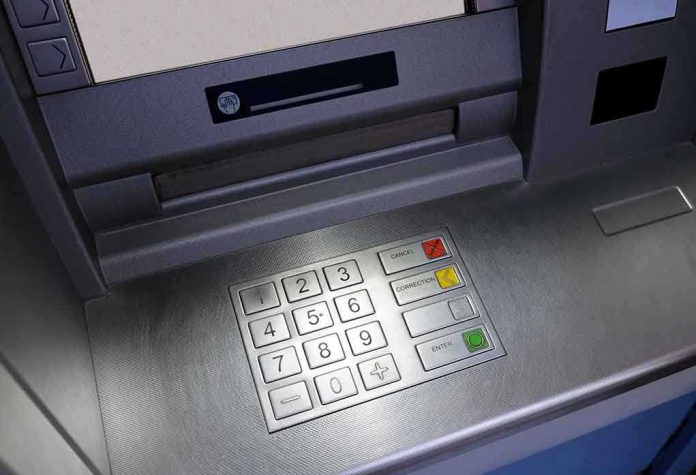
Lewisville police said a local barber found a bag on top of a Bank of America cash machine with $128,514 and 19 checks inside. Officers said he did not keep the money. He called 911 and handed everything over. Reports describe him as a 37-year-old barber who asked to remain unnamed. Police thanked him and began to verify the owner. The reported total and check count match what officers documented at the scene.
Several outlets reported the same core facts. The man spotted the bag on the cash machine, tried to find the owner, and then reached police for help. One report said he stopped at a nearby restaurant first to ask if anyone had lost a bank bag, and when no one claimed it, he called 911. That step shows common sense and also lines up with general lost-property rules that push people to try to locate owners or contact police quickly.
Who Owned the Cash and How It Got There
Police determined the money belonged to Bank of America and that Brink’s was handling the cash servicing for the machine. That trace matters because it confirms the funds were part of bank operations, not personal cash. Multiple stories said a Brink’s technician had serviced the cash machine and accidentally left the bag on top before leaving the site. Those outlets point to a simple, preventable human error during routine work.
The reports connect this to standard bank and vendor roles during cash loading. In these jobs, contractors move sealed bags, swap cassettes, and run checklists to track custody. When a mistake occurs, the bank and the vendor must reconcile the cash. That process checks totals, serials, and checks to confirm ownership. The Lewisville case follows that track: police secured the bag, linked it to the bank and vendor, and moved to return it to the rightful owner.
Why Turning It In Was the Smart Legal Play
State laws often require people who find significant money to try to find the owner or report it to police. Keeping large sums can risk a theft or conversion charge, especially when the owner is clear, like a bank bag on a cash machine. Legal guides explain that cash you find usually is not “abandoned” property. The safe route is fast reporting and police custody until the rightful owner is confirmed and the return is made.
Police property units also have clear steps for money. Agencies secure cash, document it, and release it only after investigators confirm the owner. This chain protects both the finder and the owner. It also avoids disputes about counts, checks, or where the bag was found. Many departments deposit found money and release funds only with investigator sign-off. That keeps the process clean and traceable from start to finish.
Why This Story Resonates Across Politics
Americans across the spectrum are tired of mistakes, waste, and weak accountability. This case shows the opposite. A regular worker did the right thing, fast. Police followed procedure. The bank and its vendor faced an error but had a path to fix it. People respond to that. It matches shared values: personal honesty, clear rules, and a system that returns property to the rightful owner without drama or delay.
"Texas barber returns $128,514 found on top of Bank of America ATM"https://t.co/potQWR6WaV
— Aisha (@aishamusic) October 3, 2026
The lesson is simple. When you find something valuable, secure it and call police. That protects you and helps the owner. It also supports a norm that most people say they want: do the right thing, even when no one is looking. In a time when many think the system often fails, this Texas barber showed how one person can still keep the wheels turning the way they should.
Sources:
nypost.com, yahoo.com, qz.com, dailymail.com, washingtontimes.com