
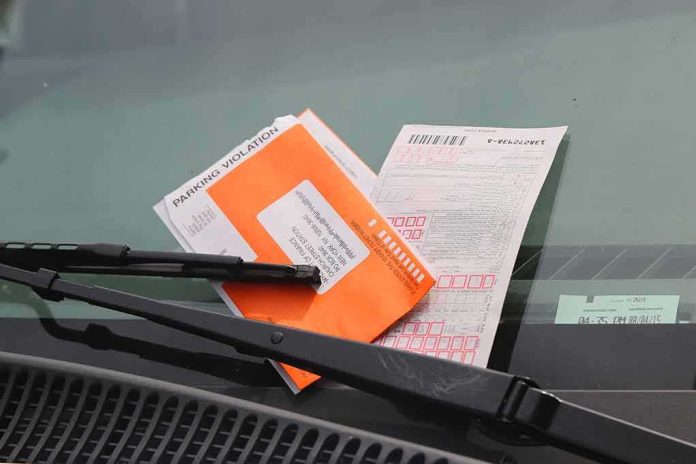
Concertgoers returned to an empty lot, a taped-up phone number, and a $562 bill waiting at the end of it.
Story Snapshot
- Multiple drivers reported the same tow-and-pay pattern near Aftershock weekend.
- One driver said his car came back too damaged to drive; his insurer is treating it as stolen.
- Paperwork shown to drivers allegedly lacked basics like vehicle identification numbers and timestamps.
- A police report exists, but the festival says off-site parking was not under its control.
What drivers say happened on Bercut Drive
Drivers parked near the festival, returned, and found their cars gone. A temporary sign pointed them to call a number. Callers were told to go to a Del Paso Boulevard address and pay $562 to get their vehicle back. Several drivers described that same price and path. One named driver recovered his car but said it was so damaged it could not drive. His insurer is treating it like a stolen car, not a routine tow claim.
The receipts that drivers showed reportedly lacked core details. They did not list the vehicle identification number, the tow time, or the release time. One driver also questioned an affidavit that he believed authorized the tow. He told reporters it looked forged. That is an allegation, not a lab finding, but if true it would cut to the heart of the legal right to remove the cars.
What the company and the records say
The operator identified as J&B Towing appeared active in the federal Department of Transportation’s registration system, according to the report. Yet the same name reportedly did not match other licenses and business records described as required in California. The company owner said the business was legitimate but did not provide a license number. He declined interviews and did not hand over the documents that would settle the issue on the spot.
Police took a report, which gives this a formal track. That matters because private-property towing lives on paperwork. Who asked for the tow, what the signs said, when the hook happened, and how the fees were set are not side notes. They are the whole ballgame. Without clean documents, claims of authorization and lawful pricing have a weak leg to stand on in any review.
What the festival and the city have said
Aftershock’s own guidance told fans there was no general on-site parking. It said surrounding lots were separate, not managed by the festival, and that parking was at the patron’s own risk. It also warned that overnight parking was banned and that vehicles could be towed if left after hours. Those facts put a wall between the event and the nearby lots. They also explain how confusion could grow when a big crowd spreads into private property.
City parking pages show how formal event parking works through official channels. But that is not the same as a private lot on a side street run by a separate owner or vendor. That split makes it essential to pin down who had authority on Bercut Drive. If a property owner or agent did not authorize the removal of a specific car, the tow lacks the legal root it needs under California law.
The law, the fee, and what passes the smell test
California law sets two hard checks. First, a property owner or proper agent must authorize the tow in the limited situations the statute allows. Second, private-property tow and storage rates cannot exceed the law enforcement or California Highway Patrol approved rates. The law also caps some partial charges and requires prompt release in certain cases. These rules exist to stop gouging and curb “gotcha” removals in crowded zones.
Drivers say they paid $562 after following a sign and a phone trail. The number alone does not prove an illegal fee. But the missing basics on the invoices raise red flags. If the operator cannot show a signed authorization, a lawful rate sheet, timestamps, and a clear vehicle inventory, the burden shifts in the public eye. Common sense says sunlight and receipts end doubt. Silence and missing data feed it.
How to judge the claims fairly
A criminal charge or civil order has not been reported yet. That means the word “scam” is a public label, not a court finding. Still, the pattern described by several drivers, the single set price, the temporary sign, and the thin paperwork fit a long-running playbook that regulators try to stop. California’s consumer agencies log steady towing complaints every year, which shows this is a known friction point, not a rare fluke.
American conservative values start with property rights and personal responsibility. They also demand transparent rules and equal treatment under the law. Tow the car if the owner or agent says so and the law allows it. Charge the legal rate and give a real receipt. If any link breaks—no clear authorization, no proper license, no itemized invoice—the system owes drivers answers and refunds, not shrugs and a padlocked gate.
What should happen next
Investigators should collect the tow authorizations, rate sheets, photos, timestamps, and payment records. They should confirm who owned or controlled the lot and who actually signed for each removal. If the records check out, the company deserves to say so with proof. If they do not, drivers deserve swift refunds and penalties that stop repeat plays. A busy festival is not an excuse to bend the rules. It is the reason to follow them to the letter.
Sources:
nypost.com, cityofsacramento.gov, cbsnews.com, sacbee.com, law.lis.virginia.gov