
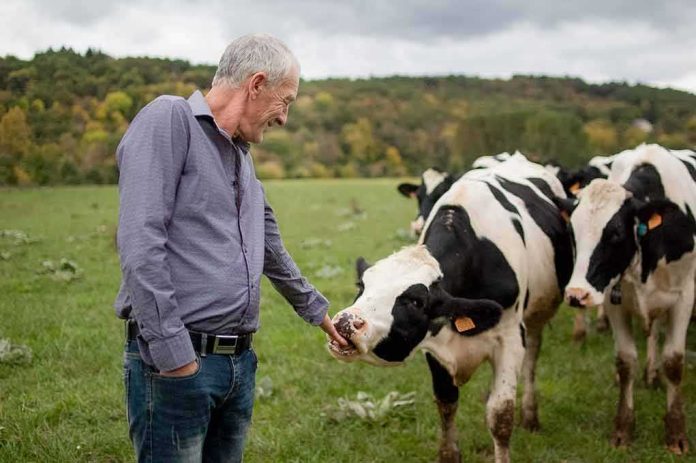
A Washington resident died from H5N1 bird flu after working around infected dairy cattle, highlighting rising on-the-job risks even as officials say public risk remains low.
Story Snapshot
- Yakima County officials reported a resident exposed to infected dairy cattle died after severe illness.
- Centers for Disease Control and Prevention (CDC) identified the virus as H5N1.
- Washington confirmed infected dairy herds and several human cases tied to cattle exposure.
- Health agencies say the general public faces low risk, with highest danger to exposed workers.
Confirmed Death Linked to Dairy Cattle Exposure
Yakima Health District officials said a county resident who had direct contact with infected dairy cattle was hospitalized with severe illness and died on November 1, 2026. Reports said the person had underlying health conditions. Officials did not release the patient’s name or age. The case occurred amid a local outbreak in dairy cows. Health authorities emphasized that this is a serious event, but they have not reported sustained spread between people tied to the case.
The Centers for Disease Control and Prevention confirmed the infection was H5N1, a bird flu strain that has moved into dairy cattle in parts of the United States this year. Washington state documented its first detections of H5N1 in dairy cattle in early October. The person who died worked around infected animals, which matches the known ways people can catch this virus in the current outbreak. Agencies continue to track cases in people who have had close contact with sick cattle.
Local Outbreak Details and Reported Human Cases
Yakima County health updates described multiple human infections linked to infected dairies, including the death, and said they were monitoring contacts of the sick individuals. State updates reported dozens of infected herds statewide during the fall, with Yakima County the center of activity. Officials warned that people who work with cattle, handle raw milk, or clean barns face the highest risk. They advised against unpasteurized dairy products during the outbreak period.
County and state messages stressed that the general public’s risk remains low because health agencies have not documented ongoing spread from person to person in these events. That message fits national and international reviews of H5 viruses, which have seen repeated spillover to workers but no established sustained human-to-human transmission. The judgment can change if the virus evolves, so agencies keep testing people with symptoms after exposure and sequencing virus samples where possible.
Why This Matters for Workers, Shoppers, and Trust
This death underscores a clear pattern: the greatest danger is on the job, not at the grocery store. Dairy workers who touch sick animals, milk them, or clean areas with their secretions face higher chance of infection than the rest of us. Federal updates counted dozens of U.S. human H5N1 cases in this outbreak period, with most linked to dairy cattle or poultry work, and none showing sustained spread between people. That is why leaders say risk to most Americans is low.
"A Yakima County, Washington, resident hospitalized with severe avian influenza (H5N1) after exposure to infected dairy cattle died on November 1..
The death is the first from avian influenza reported in the US in 2026..
The Yakima Health District also confirmed a third human…— Hiroshi Yasuda (保田浩志) (@Yash25571056) November 3, 2026
Still, the story hits a nerve many Americans share. People want a government that moves fast, shares clear facts, and protects both workers and consumers. Health officials urge basic steps that respect those concerns: use protective gear on farms, test and isolate sick animals, and avoid raw milk during outbreaks. Clear rules and honest updates help workers stay safe and help families trust the food chain without panic or false comfort.
Sources:
washingtontimes.com, usnews.com, kyma.com, upi.com, cidrap.umn.edu, aol.co.uk, healio.com, m.dailyadvent.com, link.springer.com, aphis.usda.gov