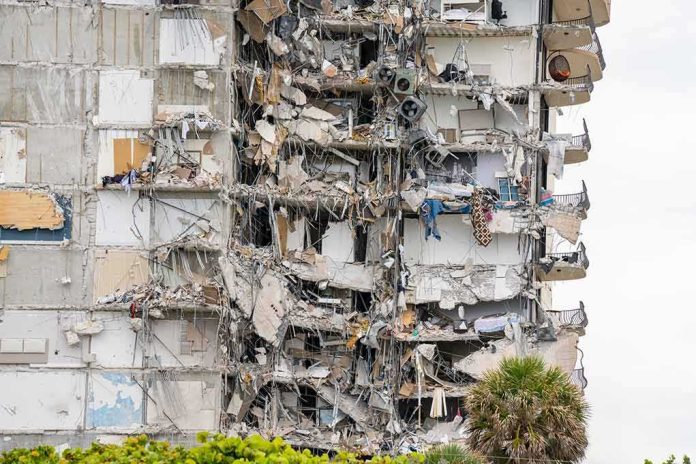
Back-to-back 7.2 and 7.5 earthquakes shattered northern Venezuela, leaving La Guaira’s buildings ripped open and families desperate for help.
Story Highlights
- Venezuela declared a state of emergency after the quakes
- Death toll climbed from 32 to about 235 within a day, injuries in the thousands
- United States Geological Survey confirmed twin major quakes near Yaracuy
- Widespread collapses hit Caracas and La Guaira’s shoreline towers
Twin Quakes Strike A Dense Urban Coast
United States Geological Survey analysts confirmed two powerful earthquakes, magnitudes 7.2 and 7.5, striking northern Venezuela near Yaracuy on June 24. Shaking spread across Caracas and the coastal state of La Guaira, where many high-rise apartments line steep hills and narrow roads. The ground motion and likely landslides turned streets into rubble fields, trapping families and blocking ambulances. The back-to-back shocks increased damage, as weakened buildings failed during the second event.
Venezuelan officials declared a nationwide state of emergency to mobilize search, rescue, and public security resources. Reports from the capital and La Guaira showed pancaked floors, cracked columns, and fallen facades. Emergency crews faced power cuts, broken water mains, and clogged access routes. The dense hillside neighborhoods above the port saw dangerous rockfall and debris. Photographs and broadcast footage documented concrete shear failures and soft-story collapses common when older buildings face severe shaking.
Casualty Numbers Surge As Rescue Expands
Early tallies reported at least 32 deaths and more than 700 injuries, but the count rose rapidly as teams reached collapsed blocks and hospitals. By the next day, Health Minister Carlos Alvarado reported about 235 deaths and 4,300 injuries on state television. Officials warned the number would climb as crews dug through debris and reconnected communications in cut-off districts. The wide jump from the first figure shows how early disaster numbers often miss trapped victims and isolated clinics.
Major media and aid groups highlighted severe damage to housing, clinics, and roads that slowed evacuations and trauma care. Residents in La Guaira described waiting hours for transport as sirens echoed from the shoreline to the hills. Structural failures in Caracas and La Guaira matched what engineers expect from strong shaking in older concrete frames without modern seismic detailing. Officials urged people to avoid damaged buildings and to report gas leaks and unstable slopes to civil protection teams.
What The Destruction Reveals About Risk
United States Geological Survey material indicates landslide risk grows after big quakes in steep terrain, which matches La Guaira’s setting above the Caribbean coast. When shaking hits slopes with homes, retaining walls, and aging drainage, slides can cut roads and pull buildings downhill. That risk extends rescue times and limits where heavy gear can operate. The pattern seen here mirrors other coastal quakes, where secondary hazards like rockfall cause as much harm as initial shaking.
Venezuela earthquake death toll rises to 2,595, over 12,000 injured KNOW MORE: https://t.co/tdcKdJNvpx
The death toll from Venezuela's devastating earthquakes has risen to 2,595, with more than 12,000 injured. The government has declared seven days of national mourning as…
— YesPunjab.com (@yespunjab) July 3, 2026
Reports noted the state’s fast emergency declaration but did not include a specific decree number or legal text. That gap limits insight into resource rules, curfews, and requisition powers during the response. Officials and outside partners can still move supplies and teams, but clear legal terms help prevent confusion and abuse. As rescue shifts to recovery, transparent data on deaths, injuries, and missing people will matter for aid targeting and trust inside hard-hit communities.
Why This Matters For Americans And U.S. Policy
American readers care because stability in the Caribbean basin affects security, migration, and trade. When a coastal hub like La Guaira is crippled, ports, fuel flows, and medical supply chains across the region feel stress. A clear picture of damage and needs helps the United States send smart aid that saves lives without waste. Accurate numbers and building safety lessons also inform U.S. cities that face rare but serious quake risks along aging waterfronts and hillsides.
What To Watch Next
Rescuers will keep searching high-rise collapse sites and hillside neighborhoods that remain cut off. Officials will update casualty counts as identification improves and hospitals reconcile records. Engineers will survey failed buildings to see how age, code compliance, and soil conditions shaped outcomes. Satellite and aerial imagery will refine maps of red-tagged structures and blocked roads. Accurate, steady information—not rumor—will guide relief and help families in La Guaira plan a safe return or relocation.
Sources:
insiderpaper.com, earthquakeinsights.substack.com, facebook.com, pbs.org