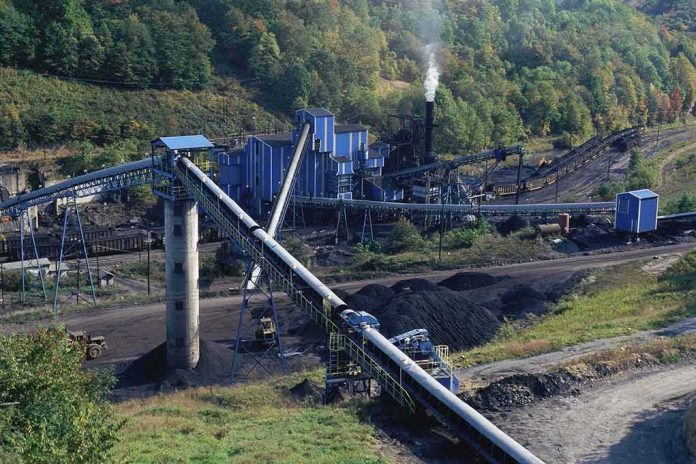
President Trump’s Pentagon is moving critical mineral refining onto Army bases to cut China’s grip and stockpile for our troops.
Story Highlights
- The U.S. Army issued conditional long-term leases to four firms to build mineral processing plants on bases.
- Sites in Utah, Arkansas or Alabama, Texas, and Utah will target rare earths, graphite, lithium, and boron.
- Companies must fund base improvements instead of paying rent, keeping taxpayer dollars off the line.
- Projects face environmental reviews and aim for initial output by 2028, if approvals stay on track.
Army Leases Put Strategic Mineral Processing Inside the Wire
The U.S. Army announced conditional lease awards to four companies to build and run mineral processing facilities on Army installations in Alabama, Arkansas, Texas, and Utah. The effort invokes Executive Order 14241 and the Army’s Enhanced Use Lease authority to speed domestic refining for defense needs. Named projects include REalloys at Tooele Army Depot for rare earth separation, Titan Mining for graphite at Pine Bluff Arsenal or Anniston Army Depot, Energy X for lithium at Red River Army Depot, and Ioneer for boron at Tooele.
Army leaders framed the plants as vital to supply munitions, missiles, sensors, batteries, and key platforms. Officials said production will be stockpiled on base for direct military use, not for commercial markets. This is the first time the Army has placed commercial mineral processing inside U.S. military installations under the Strategic Capital Initiative. The move targets the long-standing risk from foreign chokepoints and the shrinking number of domestic suppliers that feed the defense industrial base.
Lease Terms Shift Costs to Industry, Not Taxpayers
The Enhanced Use Lease model requires the companies to pay for and carry out infrastructure upgrades on the host bases instead of cash rent. The Army stated this structure protects taxpayers by shifting capital costs and execution risk to the lessees. For conservative readers who demand fiscal discipline, this answers years of waste and delay. If projects succeed, bases gain modern utilities and roads while the military gains secure stockpiles without new tax outlays tied to construction.
Eligibility rules limit awards to entities formed under United States law with majority American ownership and control. That screen aims to reduce foreign influence and safeguard sensitive processes on active depots. The specific siting also supports security. Keeping stockpiles inside guarded perimeters protects against theft, espionage, and sabotage, while giving commanders faster access and oversight. These practical guardrails align with the mission and with common sense stewardship of defense assets.
Timeline, Reviews, and What Could Slow Progress
The agreements are preliminary and conditional, with formal leases still in negotiation. No construction begins until federal, state, and local reviews finish. That includes compliance with the National Environmental Policy Act and the Clean Air and Clean Water Acts. The Army’s public target points to initial capability around 2028, but the review path can add time and risk to any schedule. Bloomberg and industry outlets stressed this long runway in their coverage of the program’s launch.
Environmental groups argue rare earth and other processing is highly polluting and say building on military bases will not make the country safer. They point to required federal reviews and likely legal fights as major hurdles. Supporters counter that rigorous reviews will shape safer designs and that depending on China is the larger risk to both security and the environment, given weaker foreign oversight. The record shows the Army’s plan must clear each review before shovels hit dirt.
Why This Matters for Deterrence and Everyday Costs
China dominates many mineral supply chains that feed guidance systems, precision munitions, and advanced communications. Moving separation and refining to Tooele, Pine Bluff or Anniston, and Red River strengthens control over dysprosium, terbium, graphite, lithium, and boron streams that modern warfighters rely on. Army officials tied the effort to direct military stockpiles, which reduces exposure to market shocks and export bans that could slow weapons output when speed matters most.
The U.S. Army struck deals with several companies, including one from Euclid, to build critical minerals processing plants on military bases around the country, an initiative by the Trump administration to boost domestic production of key materials.https://t.co/n3GuAlOrpH
— Scott Suttell (@ssuttell) June 29, 2026
For families hit by inflation and energy shocks, secure domestic refining can also steady prices over time. Stable inputs help factories avoid sudden shutdowns and high premiums. Conservative readers expect results, not slogans. This initiative sets a firm path, but it needs tight execution, tough oversight, and quick, lawful permitting. Watch for final signed leases, environmental findings, and early site work. If milestones land on time, America’s arsenal becomes harder to bully and cheaper to sustain.
Sources:
zerohedge.com, interestingengineering.com, bloomberg.com, wsj.com, x.com