A federal judge hit pause on Big Bend border construction, exposing how fast-track waivers now collide with local rights and park protections.
Story Snapshot
- A federal judge issued a temporary injunction stopping border-barrier work in Texas’ Big Bend region.
- Homeland Security had invoked a legal waiver to speed roads, tech, and limited vehicle barriers, not a 30-foot wall in the park.
- Customs and Border Protection said plans were still being refined to reduce impacts before any ground-disturbing work.
- Opponents argue the waiver sidesteps key environmental and cultural protections and harms sensitive areas.
What the Court Did and Why It Matters
U.S. District Judge Kathleen Cardone granted a temporary injunction halting border-barrier activity in the Big Bend region of West Texas. The order stops work while lawsuits move forward over the government’s legal authority and process. The pause highlights a core clash in U.S. governance. Washington used special powers to speed construction. Local landowners and groups said that move cut out key safeguards. The judge’s step does not decide the full case, but it freezes the status quo.
The lawsuits claim the government went too far when it swept aside environmental and historic protections to build fast in rugged, protected terrain. Plaintiffs include local landowners and preservation advocates. They argue work will damage habitats, cultural sites, and private property. They also question whether Big Bend is a corridor of “high illegal entry,” which is a key trigger for the waiver authority. That argument goes to the heart of the administration’s legal case.
The Administration’s Legal Tool and Project Scope
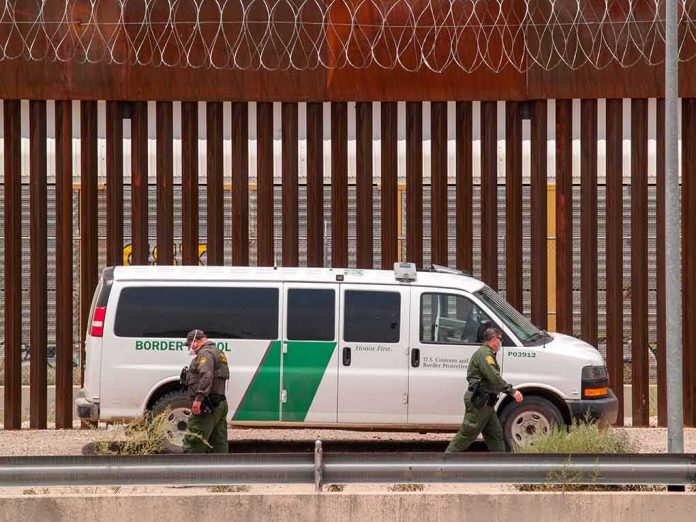
The Department of Homeland Security issued a waiver in July 2026 to set aside certain laws and speed barriers and roads along the Texas border. Customs and Border Protection publicly framed the Big Bend work as targeted: improve existing roads, add one new access road, install detection technology, and place limited vehicle barriers. Officials said they were not building a 30-foot wall or stadium lighting through Big Bend National Park or adjacent protected areas. That narrower scope aims to address security while lowering environmental impact.
Agency statements also said teams were conducting survey and design work and weighing adjustments to further reduce harm. Officials told a court they would make final siting decisions in early October before any ground-disturbing work began. This evolving record creates confusion on the ground. Residents saw machinery and feared permanent wall segments. The agency insisted the main activity inside the park was planning and surveys, not wall installation, with any physical barriers limited and strategic.
What Opponents Allege and the Evidence Gaps
Opponents argue the waiver sidesteps bedrock laws and threatens sensitive river habitat, wildlife corridors, historic churches, and burial sites. They say the executive branch cannot treat Big Bend as a “high illegal entry” area to justify sweeping aside decades of protections. Their filings stress that the region is remote and ecologically rich. They also cite potential property loss and community impacts downstream. These claims persuaded the judge that a pause was warranted while legal questions are tested.
The government’s record shows a broad Texas waiver and evolving plans, but the public file lacks site-by-site analysis that proves necessity and mitigations for each segment. The agency points to operational priorities and says impacts are being reduced, yet no Big Bend–specific interdiction data or detailed engineering studies are in the sources cited here. That gap gives critics traction. It also feeds a wider concern that federal power moves faster than local facts when projects are labeled urgent.
Why This Fight Resonates Nationally
This case captures a pattern at the border. Washington seeks speed in hard terrain using waiver powers. Locals and conservation groups push back, saying those powers erase due process and sideline communities. Many Americans, left and right, see agencies and courts trading blows while big problems remain. People want secure borders and protected parks. They also want honesty about costs, data, and trade-offs. When plans shift and records are thin, trust falls, and judges step in to slow the machinery.
𝐅𝐄𝐃𝐄𝐑𝐀𝐋 𝐉𝐔𝐃𝐆𝐄 𝐅𝐑𝐄𝐄𝐙𝐄𝐒 𝐓𝐑𝐔𝐌𝐏’𝐒 𝐁𝐎𝐑𝐃𝐄𝐑 𝐖𝐀𝐋𝐋 𝐂𝐎𝐍𝐒𝐓𝐑𝐔𝐂𝐓𝐈𝐎𝐍 𝐀𝐂𝐑𝐎𝐒𝐒 𝐓𝐄𝐗𝐀𝐒’ 𝐁𝐈𝐆 𝐁𝐄𝐍𝐃 𝐀𝐅𝐓𝐄𝐑 𝐄𝐍𝐕𝐈𝐑𝐎𝐍𝐌𝐄𝐍𝐓𝐀𝐋𝐈𝐒𝐓 𝐋𝐀𝐖𝐒𝐔𝐈𝐓
One district judge just paused the border barrier on roughly a quarter of the… pic.twitter.com/othQzRtMtt
— M.A. Rothman (@MichaelARothman) October 3, 2026
What comes next depends on the court’s timeline and the government’s willingness to publish more detail. Clear maps, segment-level need, flood modeling, and cultural surveys could calm the fight. Without that, each bulldozer sighting will read as overreach to some and overdue security to others. For now, construction pauses, questions pile up, and the Big Bend remains a test of whether fast-track federal power can still meet local facts and national values at the same time.
Sources:
nypost.com, federalregister.gov, cbp.gov, cbsaustin.com, newsweek.com