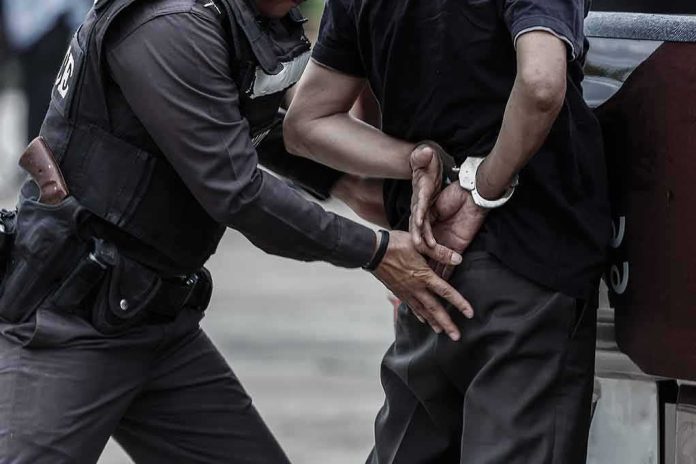
The argument over ICE’s electrical “shock gloves” is not about gadgetry; it is about whether adding a pain‑based, close‑contact tool to the force continuum will genuinely prevent shootings and injuries—or merely widen the situations in which officers inflict pain without resolving the underlying risks.
At a Glance
- DHS frames the gloves as a de‑escalation and officer‑safety tool, akin to a contact stun, intended to reduce lethal force in hard‑to‑control arrests.
- The manufacturer claims rapid, skin‑contact compliance—often in three seconds—without marks or penetrating darts.
- Independent effectiveness and safety data for immigration arrests are absent; leading claims largely come from the vendor, not field research.
- Critics emphasize the tool’s pain‑compliance design and risk of overuse on merely noncompliant subjects rather than dangerous assailants.
What the device is—and what problem it is meant to solve
The G.L.O.V.E. (Generated Low Output Voltage Emitter) turns a standard patrol glove into a contact device that, when activated, delivers an electrical shock on skin contact. Think of it as a body‑worn, close‑range conductive device rather than a projectile taser: there are no darts, no wires, no penetration. DHS described the acquisition as part of equipping ICE officers with tools to conduct arrests more safely and to resolve resistance without escalating to deadly force. Public statements portrayed it as a “conductive distraction and de‑escalation device” in the same tactical neighborhood as other less‑lethal options, just without prongs or pepper aerosols.
Operationally, the target use cases are tight quarters and vehicle encounters—situations where distance tools are infeasible and hands‑on control can trigger rapid escalation. DHS has pointed to fatal confrontations around vehicles as scenarios where an immediate, localized, non‑penetrating pain stimulus might interrupt resistance before a weapon or a car becomes a lethal threat. In this frame, the glove is not a magic wand; it is a niche tool to create a momentary opening to cuff a person who is physically resisting or attempting to flee, without resorting to strikes, batons, or a firearm.
How it compares to stun guns, pepper spray, and hands‑on force
Mechanistically, the glove is closer to traditional contact stun devices than to modern conducted energy weapons that induce neuromuscular incapacitation. The manufacturer’s and media descriptions are consistent on this point: the glove relies on pain compliance—an intensely unpleasant stimulus meant to trigger immediate withdrawal or submission—rather than full muscle lock‑up. That distinction matters. A taser with projectile probes can incapacitate from several feet away; the glove requires close contact, skin exposure, and officer control of at least one limb. Its advantage is precision and the absence of darts, penetrations, or aerosol contamination; its disadvantage is the need to get close and the reliance on pain, which some subjects—including those intoxicated, highly motivated, or in mental health crisis—may resist.
Proponents stress injury reduction: no barbed darts or pepper in the eyes and lungs, no baton strikes to bones or soft tissue, and—if claims hold—fast resolution that limits struggle time. DHS statements have suggested the glove is safer than pepper spray, and vendor language emphasizes quick compliance within about three seconds, with no burns, scars, or marks after removal. But these are, to date, assertions rather than independently verified findings in immigration arrest conditions; there is no ICE‑specific field data in the public record showing fewer injuries, complaints, or firearm uses because of the gloves.
What the public record shows—and what it does not
The record is clearer about intent and logistics than about outcomes. DHS posted plans to acquire the device under a limited‑competition pathway and framed the purchase around officer safety and de‑escalation during arrests. Reporting conveys manufacturer claims of rapid effects without lasting injury and describes explicit usage limits and exclusions in the device manual—time caps on activation and guidance to avoid use on pregnant women, elderly individuals, small children, and people with severe disabilities. A retired LAPD captain has publicly argued the gloves could serve as a non‑lethal arrest aid if paired with strict oversight and reporting—an endorsement of the category under a compliance‑heavy regime, not a blank check.
On outcomes, the gaps are notable. There is no ICE pilot study shared publicly, no aggregate body‑camera analysis, and no comparative injury or firearm‑discharge statistics tied to glove deployment. The strongest performance claims—three‑second compliance, “no injuries”—originate with the vendor and are repeated in coverage. That does not make them false; it makes them uncorroborated in the specific context at issue. Meanwhile, critical reporting highlights an allegation from a separate custody setting in Kentucky: a wrongful‑death lawsuit claims multiple, extended applications well beyond the manufacturer’s time limit, including one lasting 99 seconds. The facts and causation in that litigation will be contested, but the allegation demonstrates the core risk of any pain‑based, close‑contact device: misuse scales with discretion and duration.
The core dispute: de‑escalation tool or pain‑compliance shortcut?
Two coherent frames are competing here. DHS and ICE cast the gloves as a discrete rung on the force ladder—tighter, cleaner, and potentially less injurious than sprays, batons, or even projectile tasers in confined spaces. In that telling, the device is a way to shorten fights and prevent worst‑case outcomes, especially in vehicle encounters where lethal force risk can spike quickly.
Critics counter that because the glove is a pain‑compliance tool, not an incapacitation device, it is unusually susceptible to overuse: once worn, activation is invisible to bystanders, requires no overt weapon draw, and can be rationalized in almost any noncompliance scenario—from a tense refusal to present hands to active thrashing. Legal and civil‑rights advocates worry the threshold will slide from “resisting” to “hesitating,” expanding the prevalence of force rather than constraining it. Former DHS officials and policing scholars interviewed in coverage articulate this concern plainly: tools that depend on pain, not incapacitation, are easier to use “in excess” and outside circumstances of real danger.
ICE is reportedly planning to spend over $20 million on “shock gloves” from Kentucky-based Compliant Technologies. The gloves deliver an electric shock to help officers control resisting people without firearms, with the company claiming they cause no lasting harm. pic.twitter.com/jqMFc30GGH
— RIse World Intel (@Rise_world_Int) August 14, 2026
Policy design will determine outcomes more than hardware
Less‑lethal technologies rarely deliver categorical wins or losses on their own; their effects track the quality of policy, training, supervision, and review. Four design decisions will govern whether the gloves function as intended or drift toward the critics’ forecast:
First, authorization thresholds. If policy confines glove activation to active resistance that poses a risk of harm (e.g., attempts to flee in a vehicle, physical assault, or efforts to access a weapon), the device slots into the same tactical niche as other force options. If guidance permits shocks for mere verbal noncompliance or delayed hand presentation, usage rates will rise and legitimacy will erode. Some reporting suggests a broad “non‑compliance” envelope; that ambiguity requires tightening to maintain trust.
Second, time and placement limits. The manufacturer’s manual reportedly caps application duration and excludes vulnerable populations. Effective implementation demands scenario‑based training that drills officers on abort criteria, safe targeting, and disengagement tactics the moment compliance is achieved. Without granular certification—and recertification—those paper guardrails do not function in the field.
Third, transparency and after‑action accountability. Every activation should generate a reportable event: who, when, where on the body, duration, medical assessment, and supervisor review—paired with routine audits and public aggregate reporting. That is how agencies demonstrate the tool is reducing injuries or firearm uses rather than inflating overall force. Advocates for adoption inside policing have called for exactly this kind of strict oversight and reporting to accompany any rollout.
Fourth, medical risk management. Pain‑based electrical contact is generally categorized as less‑lethal, but “less‑lethal” is not “risk‑free.” Agencies must publish contraindications, require on‑scene medical checks after any use, and track adverse events across populations with pacemakers, substance intoxication, or behavioral health crises. Absent that diligence, a single high‑profile misuse or adverse outcome can define the narrative for years.
What would constitute real evidence the policy is working
Because ICE‑specific outcome data are missing, the only credible path to an evidence‑based conclusion is structured measurement. Three indicators matter: comparative injury rates for officers and subjects in matched arrest scenarios before vs. after adoption; frequency and duration of glove activations by resistance category; and changes in firearm discharges and baton or spray usage when the glove is available. Complement with body‑camera review samples to validate report accuracy and detect drift from policy. If the device truly resolves fights faster with fewer injuries, the data will show it. If it becomes a convenience tool for low‑threat noncompliance, that will show too.
Bottom line
On today’s public record, the case for ICE’s shock gloves rests on intent, analogies, and vendor promises—not on independently verified field outcomes. The technology’s potential is plausible in narrow, high‑risk, close‑quarters scenarios where alternatives are worse; its danger is equally plausible if policy invites routine use for mere noncompliance. The hardware will not decide which path prevails. Discipline will: tight thresholds, rigorous training, hard time caps, medical safeguards, and transparent auditing. Without those, a tool sold as de‑escalation becomes exactly what critics fear—a quiet expansion of pain in the name of order.
Sources:
washingtontimes.com, timesofindia.indiatimes.com, bbc.com, npr.org