Dolly Parton died at 80 after what her representatives described as a brief battle with cancer; the family’s announcement and subsequent on-record statements from her publicist established the core facts quickly and consistently, including that she died in Nashville surrounded by loved ones.
The Short Version
- Parton died at age 80 in Nashville; her family announced the news and described a peaceful passing.
- Her publicist later confirmed the cause as cancer, characterized as a brief battle; outlets echoed that language.
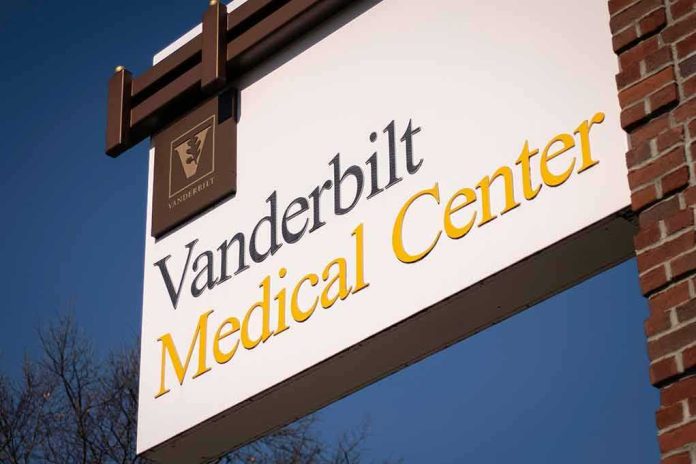
- Reports placed her passing at Vanderbilt-Ingram Cancer Center, with loved ones present.
- Early hours differed on whether a cause was disclosed, but subsequent reporting aligned on cancer as the cause.
What happened and how we know it
Dolly Parton’s death was first conveyed publicly by a family announcement; multiple national outlets reported that she died at age 80 in Nashville on August 25, 2026, citing the family’s statement. The initial confirmation moved on wire services and broadcast platforms the same day, giving the event both immediacy and broad corroboration across independent newsrooms. Within that news cycle, on-the-record statements from her representatives clarified the cause as cancer. NPR, attributing the detail to Parton’s publicist Marcel Pariseau via the Associated Press, reported that she died after a “brief battle with cancer”.
Location and circumstance were specified by local and national outlets familiar with Parton’s Tennessee roots. Reporting from The Tennessean said representatives placed her death at Vanderbilt-Ingram Cancer Center in Nashville and that she was surrounded by loved ones; ABC News carried the same phrasing, indicating a tight alignment in what Parton’s team conveyed to the press. Family language also framed the passing as peaceful; CNN’s coverage noted the announcement by her nephew, Bryan Seaver, while NPR’s write-up quoted directly that she “died peacefully” in Nashville.
Cause of death: what was said, and when
The timing of the cancer attribution followed a familiar pattern in major celebrity passings: first, a family confirmation of death; then, as representatives coordinate public language, additional detail about the cause. In one early wire report, Reuters wrote that no cause of death had been disclosed; by later updates and parallel coverage, major outlets were reporting representatives’ language about a brief battle with cancer. The New York Times, The Guardian, ABC, CNN, and others adopted that same core phrasing, indicating that the message from Parton’s camp was uniform and repeated across outlets.
What did not appear in the publicly reported record were medical particulars—no cancer type, stage, or treatment course—an omission that is common in family-led announcements and not unusual given health-privacy norms. The reliable through-line is therefore representative attribution, not clinical documentation. As a result, the specific diagnosis remains private in the published record, but the cause—cancer—was stated clearly and consistently by her publicist and repeated by authoritative outlets.
Context from Parton’s final months
In the days before her death, Parton herself had acknowledged health issues while discussing her priorities and workload. ABC reported that she told People magazine she had been dealing with matters she hadn’t fully addressed while caring for her husband, Carl Dean. The comments read, in retrospective light, as a sober acknowledgment that she was managing real health challenges even as she remained publicly engaged—a trait consistent with her lifelong instinct to keep the focus on the work and on others.
Accounts tied to representatives further anchored the final setting. The Tennessean’s report that she died at Vanderbilt-Ingram Cancer Center, echoed by other outlets, placed her final hours in a specialty environment known for oncology care, and said she was surrounded by loved ones. That combination—specific institution, Nashville location, and family presence—fits the shape of a family statement designed to be both precise enough to quell rumor and spare enough to preserve privacy.
How major outlets converged—and why that matters
When a public figure of Parton’s stature dies, newsroom protocols aim to balance sensitivity, speed, and verification. The initial “family says” frame quickly becomes the backbone of coverage; as representatives provide more detail, updated stories fill in the cause. Here, the shift from early “no cause disclosed” headlines to explicit mention of cancer occurred within hours, after the publicist’s on-record statement. That sequence is visible in the Reuters record and the subsequent alignment by broadcast and print outlets. The consistency across NPR, ABC, CNN, The Guardian, and the Times suggests not rumor-chasing but deliberate reliance on named spokespersons and identical wording from Parton’s team.
For readers familiar with the churn of celebrity-death misinformation online, this case stands apart in two ways. First, the family spoke through an identified messenger using official channels. Second, authoritative outlets rapidly harmonized on language attributed to the publicist, rather than to anonymous sources or social-media chatter. Academic and industry analyses note that false or premature death announcements often spread first via unsourced posts and only later attract newsroom attention; by contrast, verified family and representative statements form the most reliable basis for reporting.
Dolly Parton to release one more song after death – but fans will have to wait https://t.co/1udv3ZWUpK
— The Irish Sun (@IrishSunOnline) August 26, 2026
What remains private—and what is settled
Two truths can hold at once. The public now has a settled, attributable account of cause—cancer—and a clear understanding of the place and manner of Parton’s passing in Nashville among loved ones. At the same time, specifics about her diagnosis and course of treatment remain private, and may remain so indefinitely; families and estates routinely draw this boundary, and responsible outlets respect it. The absence of pathology detail does not undercut the reported cause; it reflects a choice about the granularity of disclosure, not a gap in whether the core fact is knowable.
Why the manner of telling fits the woman herself
Parton managed fame with a rare mix of openness and discretion. She narrated her life and work with sparkling candor, yet drew a curtain when intimacy or dignity demanded it. The family’s announcement and the publicist’s succinct confirmation of cancer align with that posture: give the world enough truth to honor the moment; keep what belongs to family in the family. It is fitting, too, that she died in the city that framed her career and philanthropy, with loved ones at hand—Nashville, the place she poured herself into for six decades, returning the embrace at the end.
Sources:
thegatewaypundit.com, npr.org, wsmv.com, theguardian.com, nytimes.com, reuters.com, tmz.com