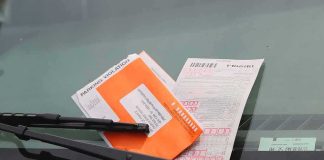

A high-profile diversion deal over trespassing on active train tracks reignited doubts about equal justice and public safety.
Story Snapshot
- MTA police cited Gabriel Hostin for trespassing on active Metro-North tracks; no arrest was made.
- Westchester prosecutors steered the case into a “Fresh Start” class for first-time, low-level offenders.
- Prosecutors moved to dismiss after he completed the three-hour program, according to reporting.
- Track trespassing remains a serious safety risk even when cases end in diversion.
What Police And Court Records Reported Happened
Metro-North officers stopped Gabriel Hostin on June 16 near New Rochelle after he was seen on the right-of-way of active railroad tracks with posted no-trespassing signs, according to reporting based on court records. Officers issued a summons for a violation-level trespass under New York law rather than making a custodial arrest. Several outlets described the handling as a citation or appearance ticket, not a misdemeanor or felony charge.
Subsequent coverage said court records showed the matter proceeded as a low-level violation in New Rochelle City Court. Reports noted that officers processed Hostin at the scene and released him. One outlet summarized that court records reflected no arrest entry, reinforcing that the case moved through summons procedure rather than booking or detention.
How The Case Was Resolved Through Diversion
Reporting stated the Westchester County District Attorney’s Office offered a diversion track called “Fresh Start” for eligible first-time, low-level offenders. The program reportedly requires a brief educational class. Coverage said Hostin completed a three-hour session on August 20. Prosecutors then sent a letter asking the court to dismiss the case. The outcome fits a common pattern for minor, first-offense trespass cases in local courts.
While the coverage cites court records and a prosecutor letter, the underlying filings were not included in the public materials reviewed here. That gap limits independent review of the exact policy criteria and the dismissal motion text. Given those limits, the account of completion and dismissal rests on the named outlets’ summaries rather than primary documents in this record set.
Claims Of An “Honest Mistake” And The Safety Lens
Sunny Hostin publicly called her son’s actions an “honest mistake.” Her letter argued he entered through open gates, could not see a warning sign, and used the area for hill training. She urged dismissal to avoid lasting penalties, citing his clean record. Police body camera coverage and reports still framed the location as an active track zone with posted signs and an electrified third rail nearby, which agencies treat as high-risk space.
Rail agencies and federal guidance describe track trespassing as a persistent cause of injuries and deaths, even when intent is benign. The Federal Railroad Administration highlights education and enforcement to cut trespass risks. That context explains why officers issue citations and why prosecutors sometimes pair diversion with safety education rather than push for harsh penalties in first-time cases.
Why This Stirs Broader Frustration
Americans across the spectrum often see two systems of justice. A celebrity-adjacent case resolved through a short class and dismissal can look like privilege, even if similar first offenses get the same offer. Transparency from courts and prosecutors can help. Publishing diversion criteria, anonymized statistics, and form letters would show whether this outcome matches what everyday people receive for the same conduct in the same county.
What To Watch Next
Watch for the court’s final docket entry confirming dismissal, and any statement from the District Attorney explaining how “Fresh Start” works and who qualifies. Clear data on how many track trespass cases end in diversion versus fines would ground the debate in facts. That evidence would show whether the rules are consistent or bend for the well-connected, which is the concern many voters raise, left and right.
Sources:
nypost.com, talkofthesound.com, aol.com