A Reagan-appointed federal judge called Trump’s attempt to end birthright citizenship the most unconstitutional action he witnessed in over four decades on the bench.
Story Snapshot
- Judge John Coughenour, appointed by Reagan, blocked Trump’s birthright citizenship executive order
- Coughenour called it the most unconstitutional action in his 40+ year judicial career
- The case represents a fundamental challenge to the 14th Amendment’s citizenship clause
- Supreme Court consideration could reshape American citizenship law permanently
Constitutional Crisis in the Making
Judge John Coughenour delivered his scathing assessment after blocking President Trump’s executive order targeting birthright citizenship in January. The Reagan appointee’s four-decade tenure on the federal bench gave weight to his unprecedented condemnation. Coughenour’s ruling represented the first judicial roadblock to Trump’s controversial policy, setting the stage for what many constitutional scholars consider the most significant citizenship case in generations.
The Supreme Court takes up the most unconstitutional thing Trump has done – Vox https://t.co/uFOcT3RtWE
— Susan (@RKGrammy) December 7, 2025
The Fourteenth Amendment Under Fire
Trump’s executive order directly challenged the 14th Amendment’s citizenship clause, which grants automatic citizenship to anyone born on American soil. This constitutional provision, ratified in 1868, emerged from the post-Civil War era to ensure freed slaves gained full citizenship rights. The amendment’s language appears unambiguous: “All persons born or naturalized in the United States, and subject to the jurisdiction thereof, are citizens of the United States.” Trump’s legal team argued this interpretation excludes children of undocumented immigrants.
Constitutional experts across the political spectrum expressed alarm at the executive order’s sweeping implications. The attempt to redefine constitutional citizenship through executive action, rather than the amendment process, represented an unprecedented expansion of presidential power. Even conservative legal scholars questioned whether any president possessed authority to unilaterally reinterpret constitutional text that has governed American citizenship for over 150 years.
Judicial Pushback Gains Momentum
Coughenour’s ruling catalyzed broader judicial resistance to Trump’s citizenship policy. Federal courts nationwide began issuing temporary restraining orders and preliminary injunctions, creating a patchwork of conflicting rulings. The legal chaos forced the Supreme Court’s hand, as lower courts struggled with fundamental questions about constitutional interpretation and executive authority. This judicial discord highlighted the order’s problematic legal foundation and its potential to destabilize established citizenship law.
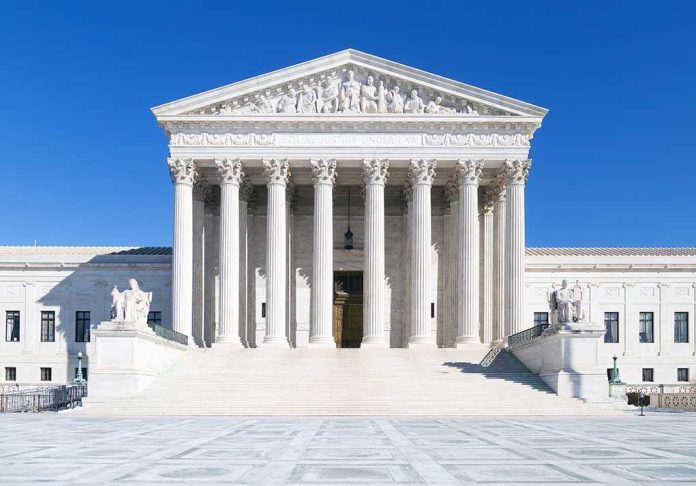
The Supreme Court’s decision to hear the case signals the justices recognize the constitutional crisis brewing in lower courts. Their ruling will determine whether presidents can reinterpret constitutional amendments through executive action, setting a precedent that extends far beyond immigration policy. The stakes involve not just citizenship law, but the fundamental balance of power between branches of government and the Constitution’s role as supreme law of the land.
Sources:
U.S. Supreme Court Significantly Limits Restraints on Unconstitutional Presidential Actions