A top Russian general died from a bomb hidden under his own car in Moscow’s heart, exposing elite vulnerabilities amid fragile peace talks.
Story Snapshot
- Lieutenant General Fanil Sarvarov, head of Russian Armed Forces’ Operational Training Department, killed by car bomb on December 22, 2025.
- Explosion detonated at 7:00 a.m. in Moscow parking lot on Yaseneva Street, marking third such attack on military figures this year.
- Russian investigators suspect Ukrainian intelligence; no claim of responsibility from Ukraine.
- Timing coincides with Ukraine-U.S. peace negotiations, heightening geopolitical stakes.
- Incident reveals security lapses in Moscow, Russia’s power center.
Explosion Details and Victim Profile
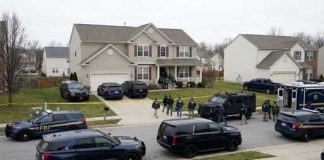
Lieutenant General Fanil Sarvarov commanded the Operational Training Department of the Russian General Staff. Criminals planted an explosive device under his parked vehicle on Yaseneva Street in Moscow. The bomb detonated around 7:00 a.m. on December 22, 2025. Sarvarov sustained fatal injuries and died in hospital. Russia’s Investigative Committee confirmed these facts through initial reports.
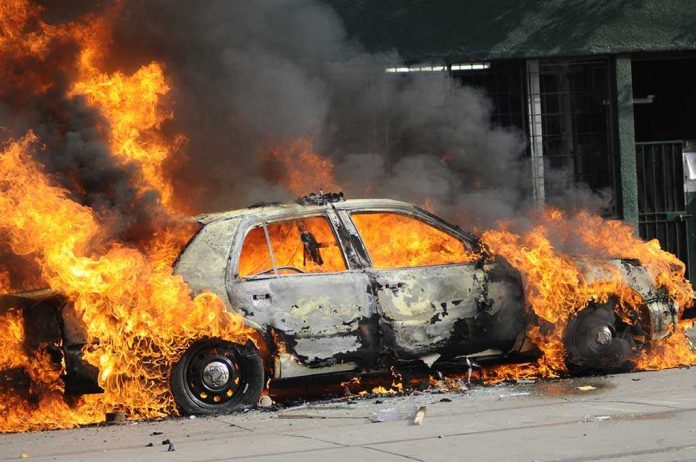
The blast wrecked the car, scattering debris across the parking lot. Witnesses described a ferocious explosion that shook nearby buildings. Sarvarov oversaw critical training operations for Russian forces, making his elimination a direct hit on military readiness. This precision strike underscores attackers’ knowledge of his routine.
Investigation Points to Ukrainian Involvement
Russian authorities probe Ukrainian intelligence services as primary suspects. Investigators examine evidence suggesting foreign operatives organized the hit. Ukraine previously conducted similar car bombings, including one a year earlier. This marks the third such attack in 2025 targeting high-profile Russians.
Moscow’s Investigative Committee pursues multiple leads while treating the case as potential terrorism. No arrests reported yet. Ukraine remains silent, neither confirming nor denying involvement. Facts align with patterns of asymmetric warfare, where targeted kills disrupt enemy command without full-scale battles.
Geopolitical Timing Amid Peace Efforts
The bombing struck hours after Ukraine-U.S. peace talks. Negotiators discussed conflict resolution over the weekend. Sarvarov’s death complicates diplomacy, signaling ongoing hostilities despite dialogue. Pentagon officials received briefings on the incident.
Attackers chose this moment to pressure Russian concessions or derail agreements. Common sense dictates such timing serves strategic disruption. From an American conservative view, persistent Ukrainian operations highlight risks in funding endless proxy wars, prioritizing U.S. interests over foreign entanglements.
Escalating Pattern of Car Bomb Assassinations
2025 saw three car bombs against Russian military and elite figures. Moscow, once a secure hub, now endangers its power brokers. Previous incidents followed identical tactics: explosives under vehicles in routine locations. This consistency points to a coordinated campaign.
Security breaches expose flaws in protecting top officials. Russian services failed to detect surveillance or planting. Long-term, these hits erode morale and recruitment. Diplomatically, they may stiffen Russia’s stance, prolonging stalemates that drain resources on all sides.
Implications for Russian Military and Global Stability
Sarvarov’s loss disrupts training across Russian forces. Command gaps invite operational errors during active conflicts. Moscow ramps up elite protections, straining security budgets. Civilians face heightened alerts in the capital.
Broader effects ripple through peace processes. Incidents like this test negotiation resolve. They affirm targeted assassinations’ role in modern warfare, favoring precision over mass engagements. For observers, the facts demand vigilance against escalation, valuing deterrence rooted in strength.
Sources:
Moscow car bomb kills Russian general, investigators say