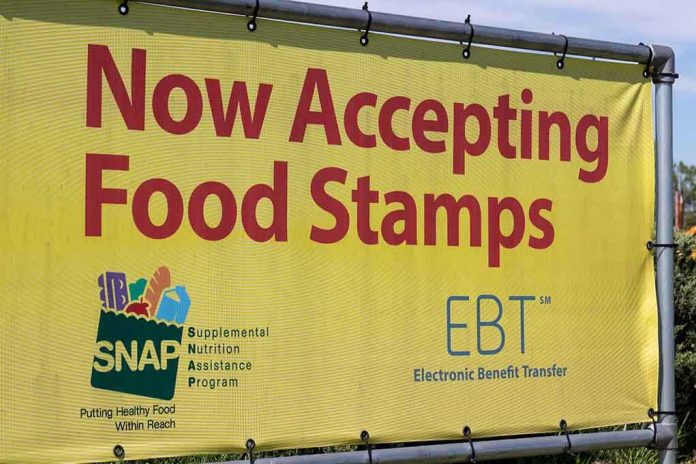
Starting in 2026, a major shift in SNAP benefits aims to redefine what Americans can purchase, focusing on health over convenience.
Story Snapshot
- 18 states will restrict SNAP benefits from buying junk foods.
- Part of the Make America Healthy Again initiative.
- Implementation dates vary from January to October 2026.
- Increased administrative costs and penalties for errors starting 2027.
SNAP’s New Direction: A Healthier America
Beginning in 2026, the Supplemental Nutrition Assistance Program (SNAP) will undergo significant changes across 18 states. These adjustments, falling under the Make America Healthy Again initiative, aim to prohibit the purchase of junk foods, such as soda, candy, and energy drinks, with SNAP benefits. The USDA’s approval of these waivers marks a historic first, reflecting a concerted effort to enhance nutritional standards and combat chronic diseases associated with poor dietary habits.
This initiative, led by Agriculture Secretary Brooke Rollins and HHS Secretary Robert F. Kennedy Jr., emphasizes SNAP’s original intent—to support nutrition. By restricting access to unhealthy foods, the program seeks to ensure that taxpayer dollars are not used to fund habits contributing to obesity and related health issues. The changes come with the promise of a healthier population and a reduction in healthcare costs associated with diet-related diseases.
Implementation and Financial Implications
The timeline for these changes will vary across the 18 states, with implementation dates ranging from January to October 2026. This staggered approach allows for adjustments and evaluations as the program rolls out. States will need to prepare for increased administrative costs, with the federal government covering 75% of these expenses starting in October 2026. Additionally, penalties for payment error rates exceeding 6% will be introduced in 2027, promoting accuracy and accountability within the system.
Alongside the bans on junk foods, the SNAP program will see other reforms. Allotments are set to increase, reflecting a commitment to ensuring that recipients can afford nutritious options. Furthermore, work requirements will be expanded to include individuals up to age 64, encouraging greater workforce participation and self-sufficiency among beneficiaries.
Impact on Immigrants and Future Adjustments
The initiative also addresses the eligibility of certain immigrants for SNAP benefits. The ineligibility criteria, initially planned for an earlier date, have been postponed until April 2026. This delay provides additional time for affected individuals to adjust and seek alternative support mechanisms. It underscores the complexity of implementing widespread reforms across diverse demographic groups.
As these changes unfold, the focus will remain on monitoring the outcomes and making necessary adjustments. The USDA and state agencies will collaborate to ensure the initiative meets its goals without unintended consequences. This collaborative approach will be crucial in refining the program to better serve its beneficiaries and uphold its nutritional mission.
The Broader Message: Health and Responsibility
The Make America Healthy Again initiative is not just about restricting purchases; it sends a broader message about health and responsibility. By guiding SNAP recipients towards healthier choices, it encourages a cultural shift towards prioritizing nutrition and well-being. The hope is that these changes will inspire similar reforms in other areas of public policy, reinforcing the importance of responsible spending and health-conscious living.
Ultimately, the success of this initiative will depend on its ability to balance public health goals with individual freedom and choice. As the 2026 deadline approaches, stakeholders will closely watch the outcomes, ready to adapt and improve the program to ensure it fulfills its promise of a healthier America.
Sources:
6 more states approved for waivers to remove unhealthy foods from SNAP benefits